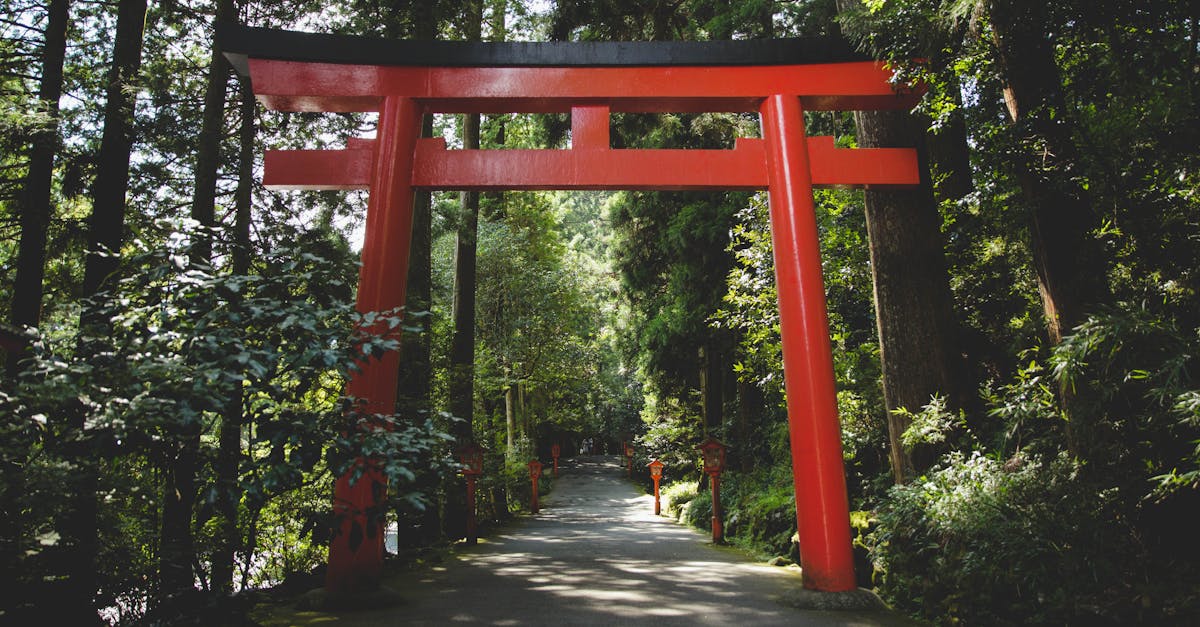
8 Best Countries to Visit for Food Lovers in 2026
As we approach 2026, the world of culinary tourism has evolved into an extraordinary tapestry of flavors, traditions, and innovative gastronomic experiences that transcend mere sustenance to become profound cultural exchanges. The modern food lover's journey has transformed from simple restaurant hopping to immersive experiences that encompass street food adventures, farm-to-table experiences, cooking classes with local masters, and participation in ancient food rituals that have been passed down through generations. This comprehensive guide explores eight exceptional countries that have emerged as premier destinations for culinary enthusiasts, each offering unique flavors, cooking techniques, and food cultures that reflect their rich histories, geographical advantages, and contemporary innovations. From the umami-rich depths of Japanese kaiseki to the vibrant spice markets of Morocco, from the sophisticated wine pairings of France to the bold fusion experiments of Peru, these destinations represent the pinnacle of global gastronomy. Each country on this carefully curated list offers not just exceptional food, but complete culinary ecosystems that include local ingredients, traditional preparation methods, innovative chefs pushing boundaries, and food scenes that seamlessly blend authenticity with modern creativity, making 2026 the perfect year for food lovers to embark on these transformative gastronomic journeys.
1. Japan - The Art of Culinary Perfection and Seasonal Harmony
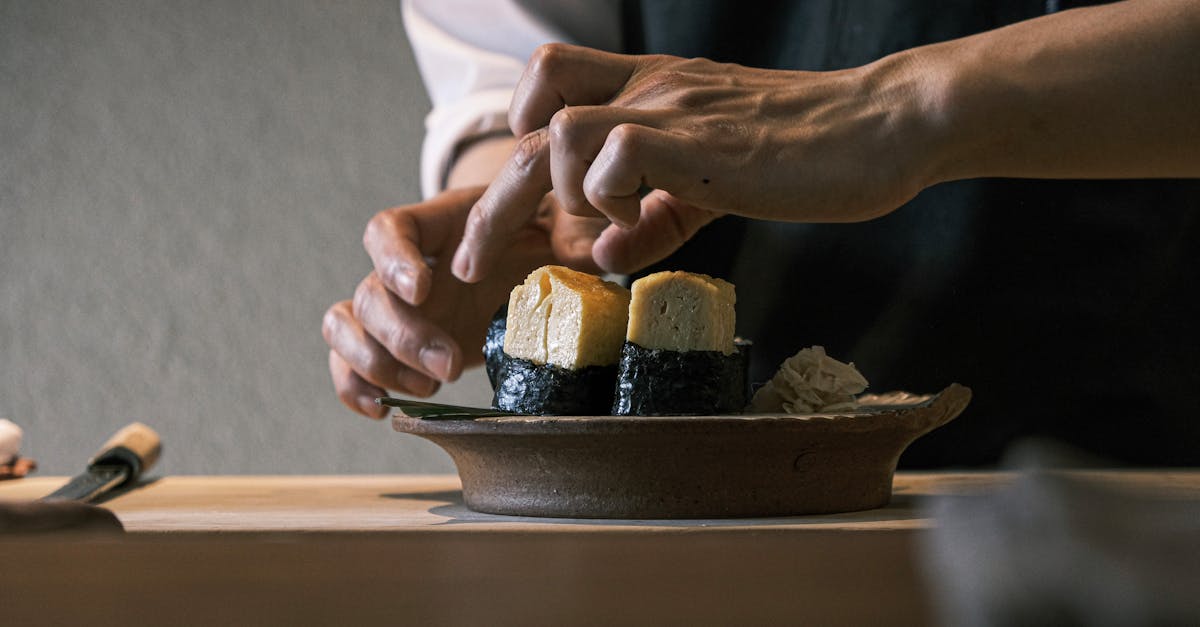
Japan stands as the undisputed master of culinary artistry, where food preparation transcends cooking to become a spiritual practice rooted in centuries of tradition, seasonal awareness, and an unwavering commitment to perfection that permeates every aspect of the dining experience. The Japanese culinary philosophy of "ichigo ichie" (one time, one meeting) emphasizes the uniqueness of each meal, encouraging diners to savor every moment and flavor with mindful appreciation. From the meticulous knife work of sushi masters who train for decades to perfect their craft, to the delicate balance of flavors in a traditional kaiseki meal that tells the story of the changing seasons, Japan offers food lovers an unparalleled journey through taste, texture, and presentation. The country's diverse regional cuisines, from Hokkaido's fresh seafood and dairy products to Okinawa's unique Ryukyu cuisine influenced by Chinese and Southeast Asian flavors, provide endless opportunities for culinary exploration. Street food culture thrives in bustling markets like Tsukiji Outer Market in Tokyo and Kuromon Ichiba in Osaka, where visitors can sample everything from perfectly grilled yakitori to steaming bowls of ramen crafted by masters who have spent lifetimes perfecting their broths. The Japanese commitment to quality ingredients, sustainable practices, and innovative techniques while maintaining deep respect for tradition makes it an essential destination for any serious food enthusiast seeking to understand the intersection of culture, nature, and culinary excellence.
2. Italy - A Symphony of Regional Flavors and Timeless Traditions
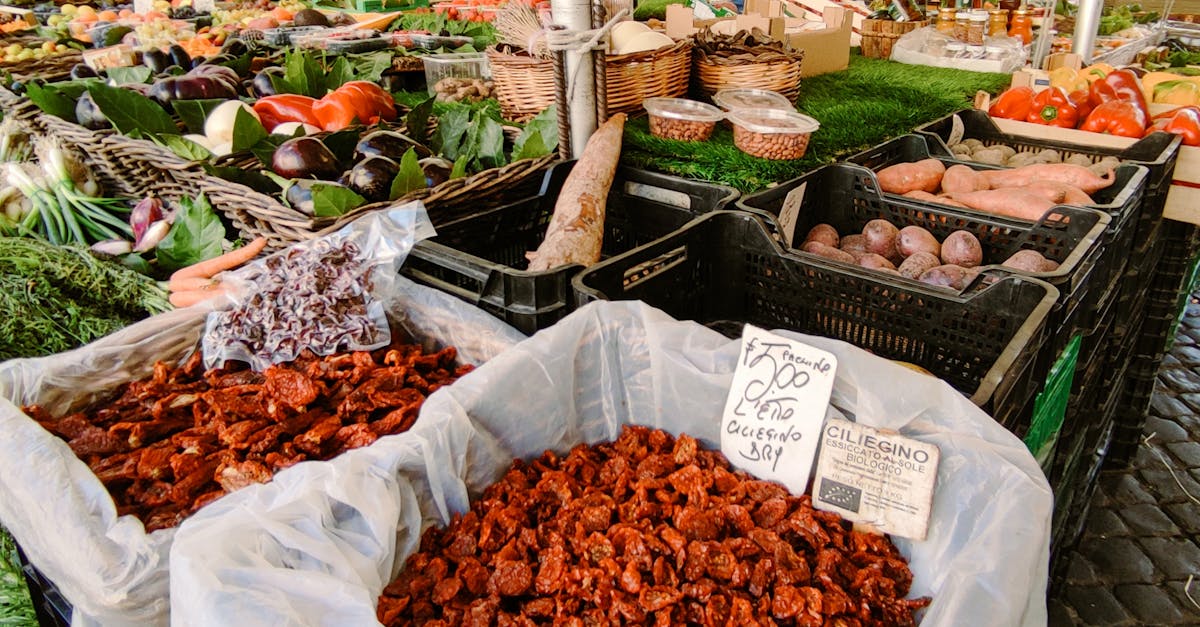
Italy's culinary landscape represents one of the world's most beloved and influential food cultures, where each of the country's twenty regions offers distinct flavors, ingredients, and cooking techniques that have been refined over millennia and continue to inspire chefs and food lovers worldwide. The Italian approach to cooking emphasizes the quality of ingredients above all else, with a philosophy that simple preparations allow the natural flavors of seasonal, locally-sourced products to shine through in every dish. From the rich, cream-based sauces of Emilia-Romagna, home to Parmigiano-Reggiano and traditional balsamic vinegar, to the olive oil-focused cuisine of Puglia with its fresh orecchiette and burrata, each region tells its own culinary story shaped by geography, climate, and historical influences. The Italian food experience extends far beyond restaurants to include visits to family-run trattorias where recipes have been passed down through generations, cooking classes in Tuscan farmhouses where visitors learn to make fresh pasta and pair wines, and food markets like Rome's Campo de' Fiori or Bologna's Mercato delle Erbe where the connection between producer and consumer remains strong. Italy's wine culture, with over 350 grape varieties and diverse terroirs from the Alpine regions of Piedmont to the volcanic soils of Sicily, provides perfect accompaniments to regional cuisines and offers wine lovers endless opportunities for discovery. The country's commitment to protecting traditional foods through designations like DOP (Protected Designation of Origin) ensures that authentic flavors and time-honored production methods continue to thrive alongside innovative interpretations by contemporary Italian chefs.
3. Peru - The Fusion Capital Where Ancient Meets Modern
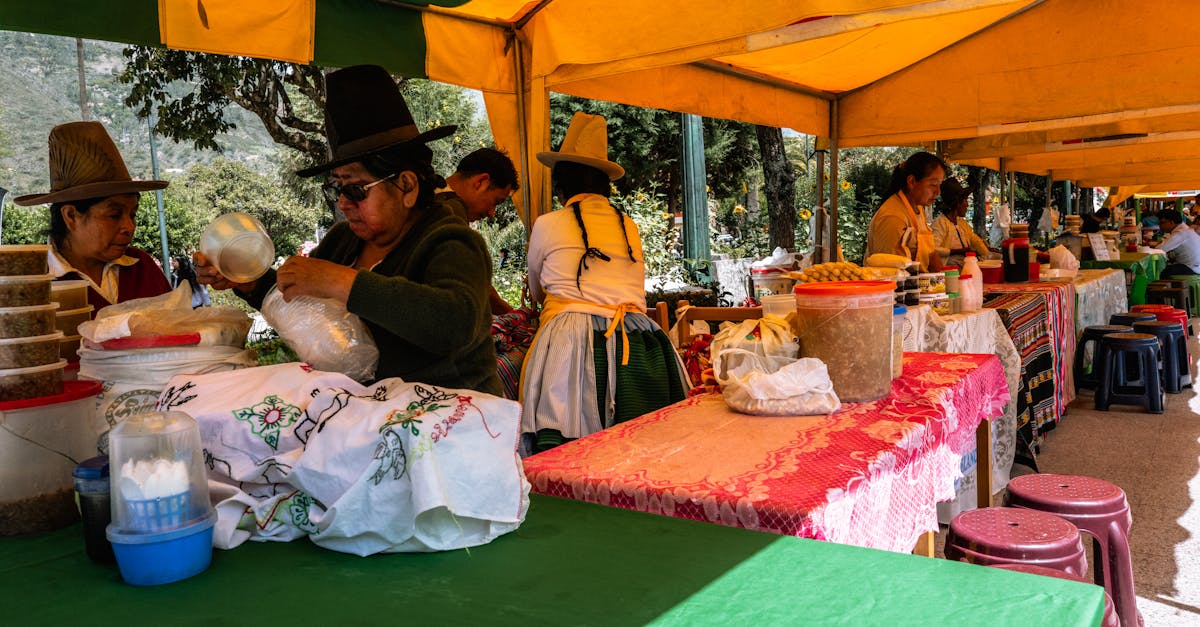
Peru has emerged as South America's culinary powerhouse, where indigenous ingredients and traditional cooking techniques merge with influences from Japanese, Chinese, Spanish, and African cuisines to create one of the world's most exciting and innovative food scenes. The country's extraordinary biodiversity, ranging from the Amazon rainforest to the Andes mountains to the Pacific coast, provides access to an incredible variety of ingredients including over 3,000 varieties of potatoes, hundreds of types of corn, exotic fruits, fresh seafood, and unique proteins like alpaca and guinea pig. Lima, the capital, has become a global gastronomic destination home to several of the world's top-rated restaurants, where chefs like Gastón Acurio and Virgilio Martínez have elevated traditional Peruvian cuisine to international acclaim while maintaining deep connections to indigenous food traditions. The Japanese-Peruvian fusion known as Nikkei cuisine represents one of the most successful culinary marriages in the world, combining Japanese techniques with Peruvian ingredients to create dishes like tiradito and maki rolls with Amazonian fish. Ceviche, Peru's national dish, showcases the country's mastery of balancing acidity, heat, and freshness, while traditional preparations like pachamanca (earth oven cooking) connect modern diners to ancient Incan cooking methods. Food markets like Lima's Mercado de Surquillo offer immersive experiences where visitors can taste exotic fruits, sample traditional street foods, and witness the vibrant energy of Peruvian food culture, while cooking classes throughout the country provide hands-on opportunities to learn about indigenous ingredients and traditional preparation techniques.
4. France - The Eternal Standard Bearer of Culinary Excellence
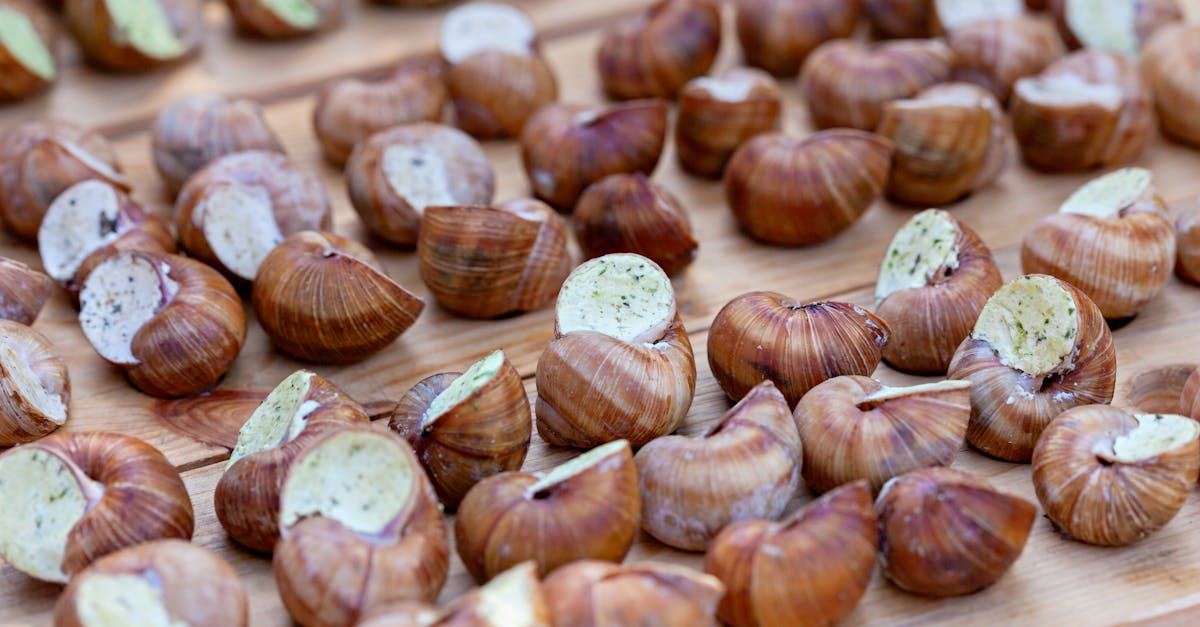
France continues to reign as the global benchmark for culinary sophistication, where centuries of gastronomic tradition have created a food culture that values technique, quality, and the art of dining as fundamental aspects of daily life and cultural identity. French cuisine's influence on global cooking cannot be overstated, from the classical techniques taught in culinary schools worldwide to the concept of terroir that emphasizes the connection between food, place, and tradition. Each region of France offers distinct culinary experiences, from the butter-rich cuisine of Normandy with its famous Calvados and Camembert cheese, to the sun-drenched flavors of Provence with its herbs, olive oil, and Mediterranean influences, to the hearty, wine-focused dishes of Burgundy where coq au vin and beef bourguignon originated. The French approach to dining emphasizes the pleasure and social aspects of eating, with long, leisurely meals that celebrate conversation, wine pairing, and the appreciation of each course as part of a complete experience. France's patisserie tradition represents perhaps the highest level of baking artistry in the world, where techniques for creating perfect croissants, macarons, and elaborate desserts require years of training and practice to master. The country's wine regions, from Champagne to Bordeaux to the Loire Valley, offer unparalleled opportunities for wine education and tasting, while local markets, Michelin-starred restaurants, and traditional bistros provide diverse ways to experience French culinary culture. The French commitment to preserving traditional recipes and techniques while embracing innovation ensures that the country remains at the forefront of global gastronomy.
5. Thailand - A Masterclass in Balance and Bold Flavors
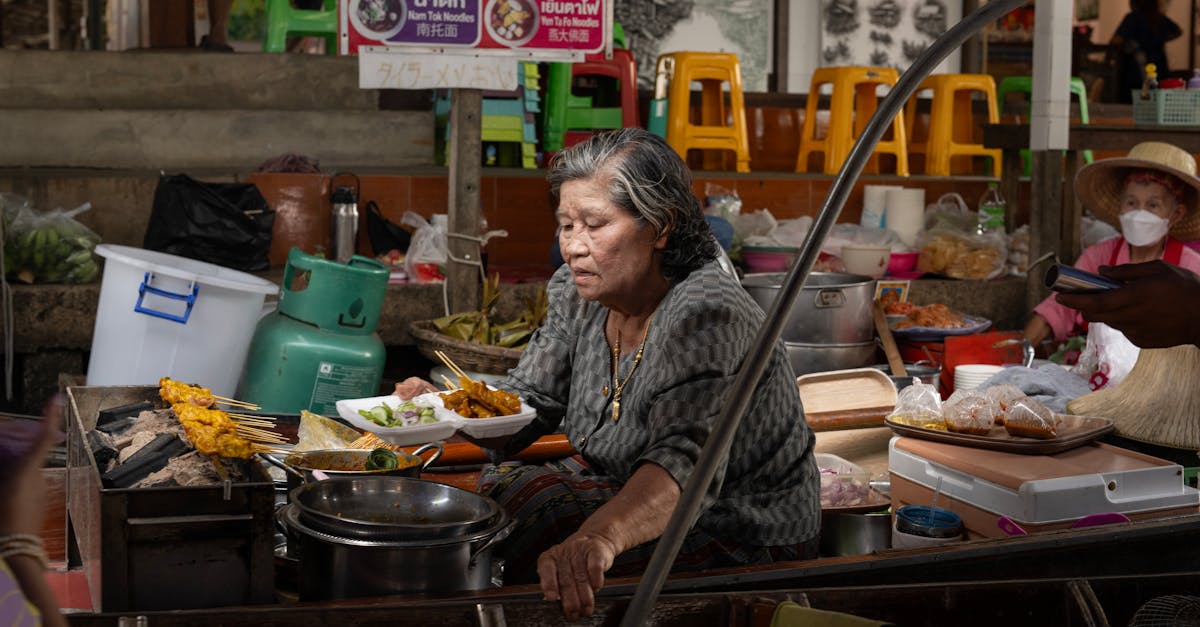
Thailand's cuisine represents one of the world's most perfectly balanced food cultures, where the interplay of sweet, sour, salty, spicy, and umami flavors creates complex dishes that stimulate all the senses while reflecting the country's Buddhist philosophy of harmony and moderation. Thai cooking emphasizes fresh ingredients, aromatic herbs and spices, and cooking techniques that preserve the natural flavors and nutritional value of foods, resulting in cuisine that is both delicious and healthful. The country's street food culture is legendary, with vendors throughout Bangkok, Chiang Mai, and other cities serving everything from perfectly balanced pad thai and fragrant green curry to regional specialties like som tam (papaya salad) and khao soi (northern Thai curry noodles) that showcase the diversity of Thai regional cuisines. Each region of Thailand offers distinct flavors and specialties: the seafood-focused cuisine of the south with its coconut milk-based curries and fresh fish preparations, the herb-heavy dishes of the northeast (Isaan) with their bold, rustic flavors, and the Burmese-influenced cuisine of the north with its unique curry pastes and fermented ingredients. Thai cooking classes have become increasingly popular with food tourists, offering hands-on experiences in traditional markets where participants learn to select fresh ingredients before preparing authentic dishes under the guidance of local cooks. The Thai philosophy of "sanuk" (fun) extends to dining, where meals are typically shared family-style, encouraging social interaction and the sampling of multiple dishes that showcase the full range of Thai flavors. Thailand's commitment to preserving traditional recipes while adapting to modern tastes and dietary preferences makes it an ideal destination for food lovers seeking authentic experiences in one of Asia's most celebrated culinary traditions.
6. Morocco - A Sensory Journey Through Spice and Tradition
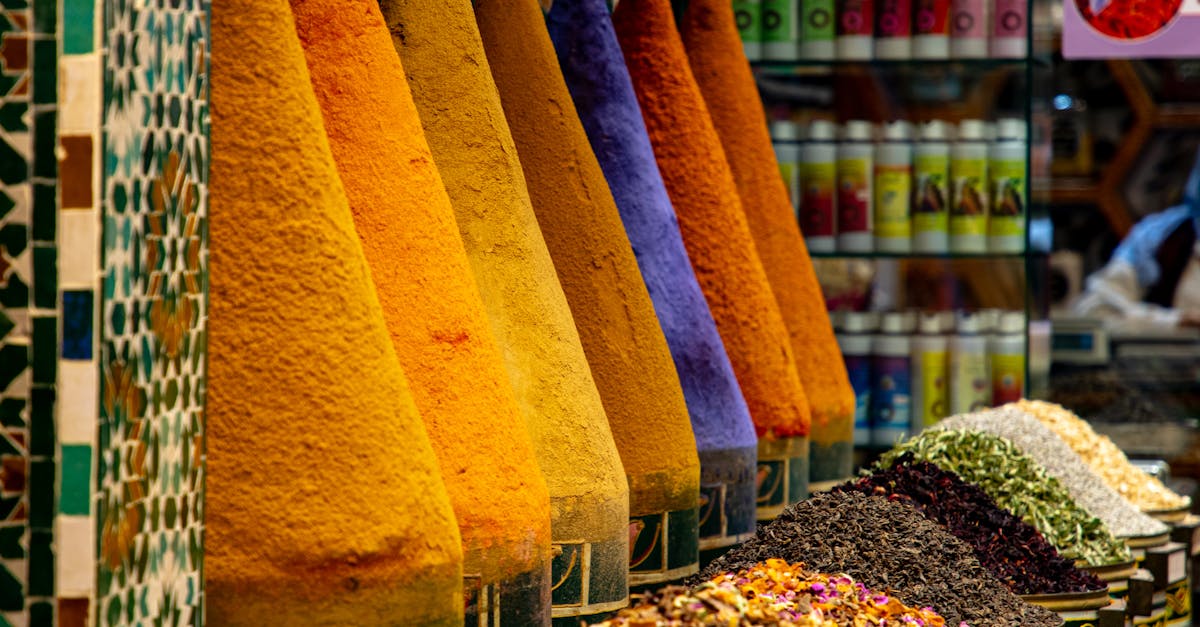
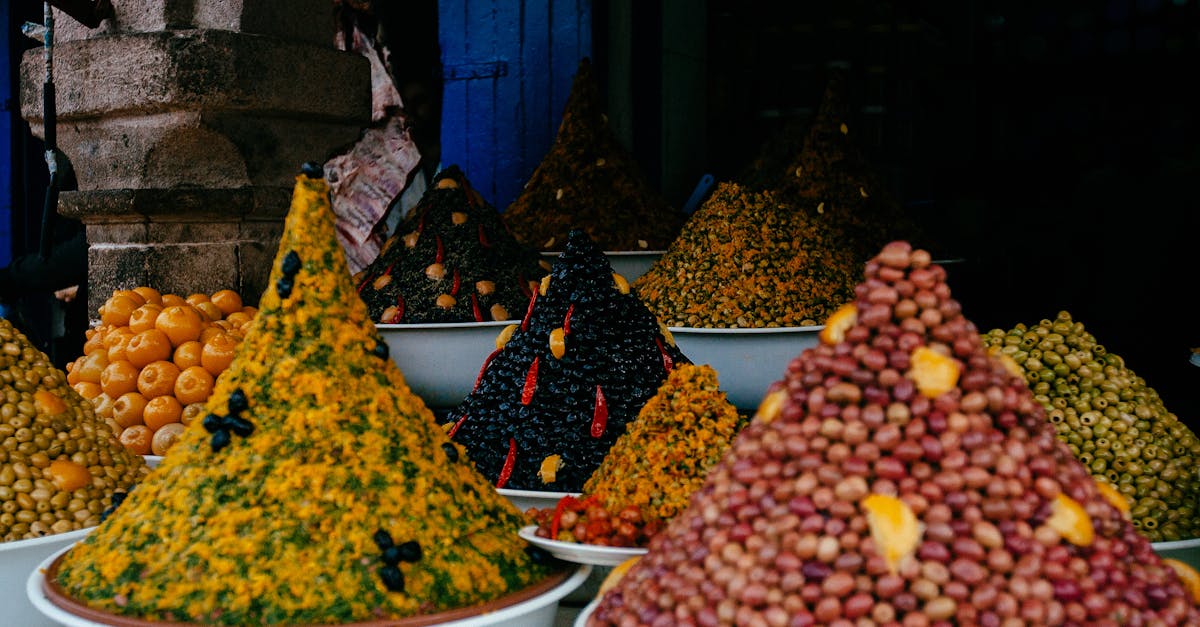
Morocco offers food lovers an enchanting journey through one of the world's most aromatic and flavorful cuisines, where the intersection of African, Arab, and Mediterranean influences has created a unique culinary tradition that engages all the senses through its use of exotic spices, traditional cooking methods, and elaborate presentation. The Moroccan kitchen is built around the concept of slow cooking and complex spice blending, with signature dishes like tagine and couscous requiring hours of careful preparation that allows flavors to develop and meld into harmonious combinations. The famous spice markets of Marrakech and Fez provide immersive experiences where visitors can explore pyramids of colorful spices, sample traditional spice blends like ras el hanout, and learn about the medicinal and culinary properties of ingredients that have been traded along ancient caravan routes for centuries. Moroccan hospitality traditions make dining a communal and ceremonial experience, with elaborate meals served on beautiful ceramics and eaten with bread, encouraging sharing and conversation that reflects the culture's emphasis on family and community. The country's diverse geography, from coastal regions with fresh seafood to mountain areas with hearty stews and desert oases with dates and nuts, provides a wide range of ingredients and regional specialties that showcase Morocco's culinary diversity. Traditional cooking classes in riads and local homes offer authentic experiences where visitors learn to prepare classic dishes while gaining insight into Moroccan culture and traditions. The Moroccan tea ceremony, with its sweet mint tea served in ornate glasses, represents the country's sophisticated approach to hospitality and provides a perfect complement to the rich, spiced cuisine that defines this North African culinary gem.
7. India - A Subcontinent of Infinite Flavors and Culinary Diversity
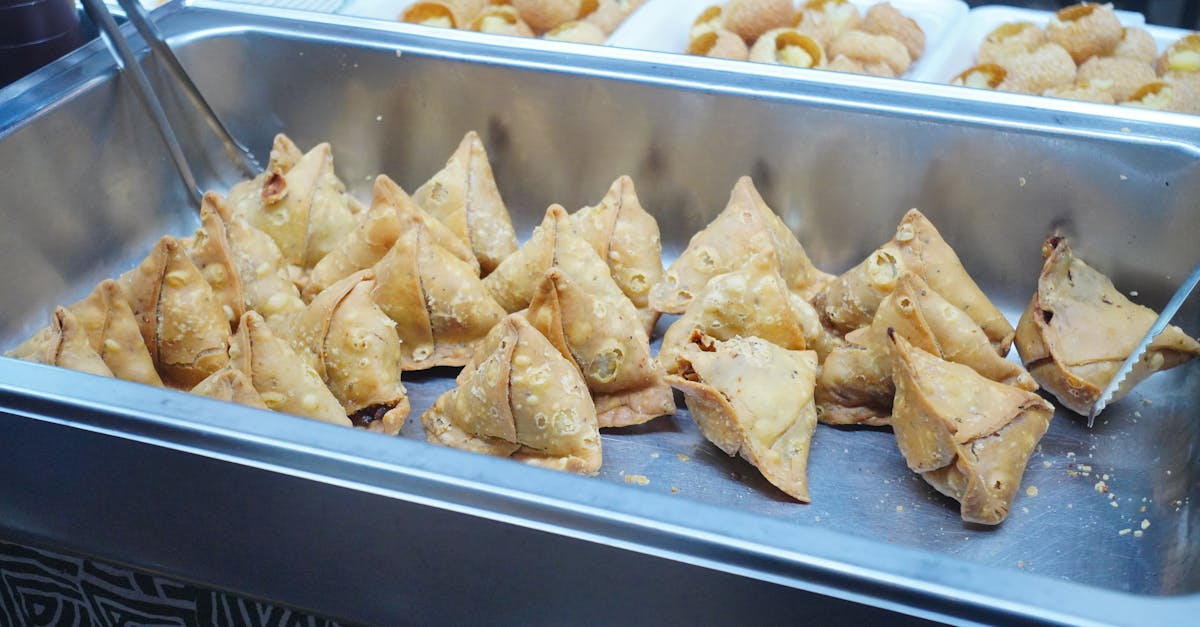
India presents food lovers with perhaps the world's most diverse and complex culinary landscape, where each state, region, and community has developed distinct cooking styles, ingredients, and flavor profiles that reflect the subcontinent's incredible cultural, geographical, and religious diversity. Indian cuisine's mastery of spice blending and layering creates dishes of extraordinary depth and complexity, from the cream-rich curries of North Indian Mughlai cuisine to the coconut-based dishes of South India, from the seafood specialties of coastal regions to the vegetarian traditions of Gujarat and Rajasthan. The concept of regional cuisine in India goes far beyond simple geographical boundaries, encompassing religious dietary laws, seasonal availability of ingredients, and historical influences from various rulers and trading partners that have shaped local food traditions over millennia. Street food culture thrives throughout India, with each city offering unique specialties: Mumbai's vada pav and bhel puri, Delhi's chaat and paranthas, Kolkata's kathi rolls and sweets, and Chennai's dosas and filter coffee, providing endless opportunities for culinary exploration. The Indian approach to cooking emphasizes the medicinal and spiritual aspects of food, with Ayurvedic principles guiding spice combinations and cooking methods to promote health and balance. Cooking classes throughout India, from palace hotels in Rajasthan to home kitchens in Kerala, offer immersive experiences where visitors learn traditional techniques while gaining insight into the cultural and spiritual significance of Indian cuisine. The country's vegetarian traditions, particularly in regions like Gujarat and South India, showcase the incredible creativity and flavor development possible with plant-based ingredients, making India an essential destination for both omnivores and vegetarians seeking authentic culinary experiences.
8. Mexico - Ancient Traditions Meet Contemporary Innovation
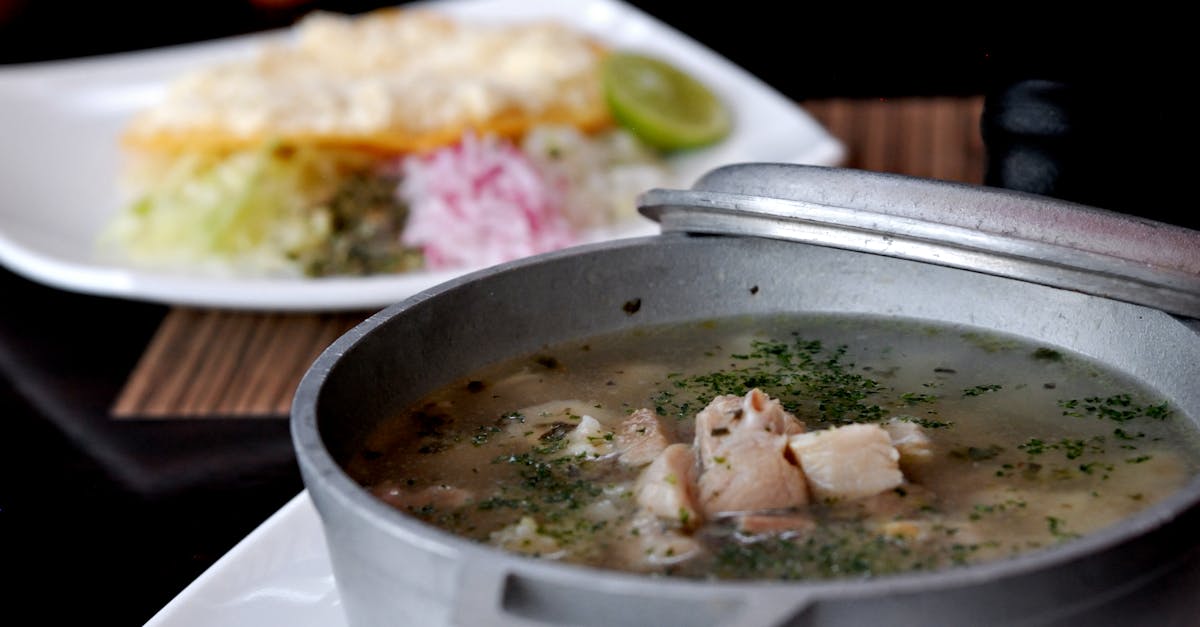
Mexico's culinary heritage represents one of the world's oldest and most sophisticated food cultures, where indigenous ingredients and cooking techniques dating back thousands of years continue to influence contemporary Mexican cuisine while inspiring chefs worldwide with their complexity and depth of flavor. The foundation of Mexican cuisine rests on the "holy trinity" of corn, beans, and squash, supplemented by an incredible variety of chiles, herbs, and other indigenous ingredients that create the complex flavor profiles characteristic of authentic Mexican cooking. Regional Mexican cuisines offer extraordinary diversity, from the mole-rich traditions of Oaxaca with its complex sauces containing dozens of ingredients, to the seafood-focused cuisine of coastal regions, to the meat-heavy dishes of northern states, each reflecting local ingredients, climate, and cultural influences. The Mexican approach to cooking emphasizes traditional techniques like nixtamalization (treating corn with lime), stone grinding of spices and chiles, and slow cooking methods that develop deep, complex flavors impossible to achieve with modern shortcuts. Street food culture in Mexico provides some of the world's most authentic and delicious casual dining experiences, with tacos, tamales, and other antojitos (little cravings) served from small stands and markets throughout the country, often prepared using recipes and techniques passed down through generations. Mexican markets, particularly those in Oaxaca, Mexico City, and Mérida, offer immersive experiences where visitors can explore exotic ingredients, sample regional specialties, and witness the vibrant social aspects of Mexican food culture. The country's beverage traditions, including mezcal, tequila, and traditional drinks like horchata and agua frescas, provide perfect accompaniments to the bold, spicy flavors of Mexican cuisine while offering insight into indigenous and colonial influences on Mexican culture.
9. Planning Your 2026 Culinary Adventure
As 2026 approaches, these eight extraordinary culinary destinations offer food lovers unprecedented opportunities to explore the world through taste, tradition, and cultural exchange, each providing unique insights into how geography, history, and culture shape the foods we eat and the ways we gather around tables. The modern culinary traveler has access to more authentic experiences than ever before, from cooking classes with local masters to food tours that explore hidden neighborhoods, from farm visits that showcase sustainable practices to dining experiences that celebrate both tradition and innovation. Planning a successful culinary journey requires consideration of seasonal ingredients, local festivals and food events, regional specialties that may only be available in certain areas, and the cultural contexts that give meaning to different foods and dining traditions. The investment in culinary travel pays dividends far beyond the immediate pleasure of exceptional meals, creating lasting memories, cultural understanding, and often inspiring changes in how we cook and eat at home. Whether you choose to explore the refined techniques of Japanese cuisine, the regional diversity of Italian cooking, the innovative fusion of Peruvian gastronomy, the classical excellence of French cuisine, the balanced flavors of Thai cooking, the aromatic complexity of Moroccan dishes, the incredible diversity of Indian cuisine, or the ancient traditions of Mexican cooking, each destination offers transformative experiences that will deepen your appreciation for food as both sustenance and cultural expression. The key to maximizing these culinary adventures lies in approaching each destination with curiosity, respect for local traditions, and openness to new flavors and experiences that will expand your culinary horizons and create connections with people and places that extend far beyond the dining table, making 2026 the perfect year to embark on these life-enriching gastronomic journeys.