12 Best Places to Visit in Japan for First-Timers — With Costs
Japan stands as one of the world's most captivating destinations, seamlessly blending ancient traditions with cutting-edge modernity in ways that consistently astonish first-time visitors. From the neon-lit streets of Tokyo to the serene temples of Kyoto, this archipelago nation offers an extraordinary tapestry of experiences that cater to every type of traveler. For newcomers, navigating Japan's diverse regions and attractions can feel overwhelming, especially when considering the country's reputation for being expensive. However, with careful planning and strategic choices, experiencing Japan's magic doesn't have to break the bank. The key lies in understanding which destinations offer the best value for money while providing authentic cultural immersion. This comprehensive guide presents twelve essential destinations that perfectly capture Japan's essence, each offering unique experiences from bustling metropolitan adventures to tranquil natural escapes. We'll explore not only what makes each location special but also provide detailed cost breakdowns to help you budget effectively. Whether you're drawn to historical sites, culinary adventures, natural wonders, or urban excitement, these carefully selected destinations will ensure your first Japanese journey is both memorable and financially manageable, setting the foundation for a lifelong love affair with this remarkable country.
1. Tokyo: The Electric Heart of Modern Japan
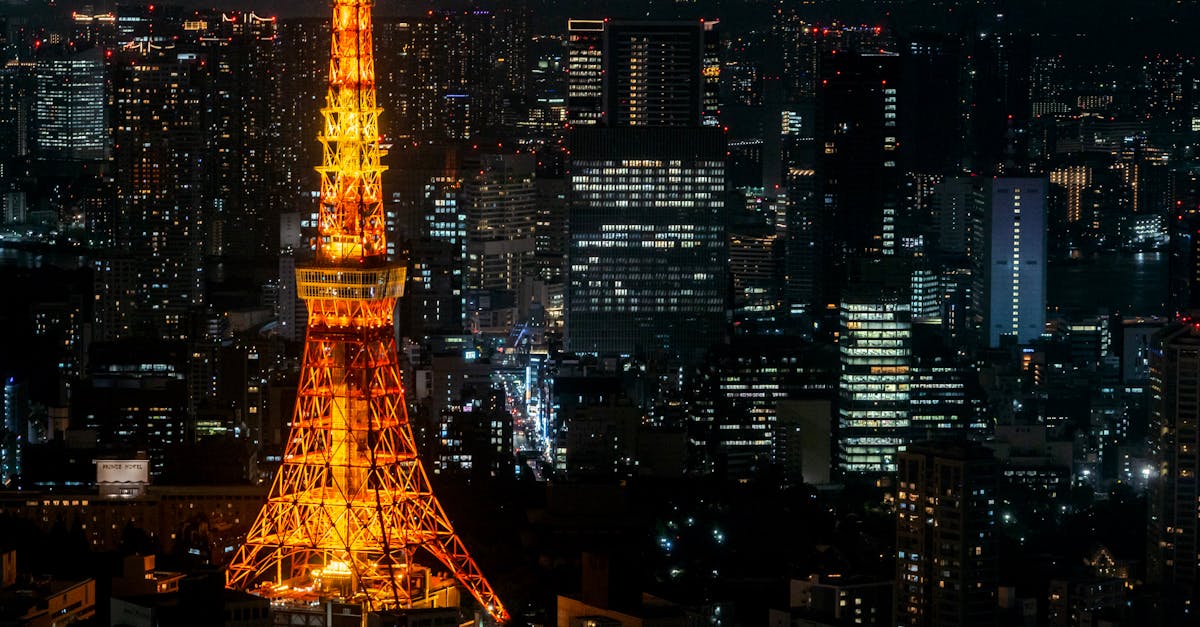
Tokyo, Japan's sprawling capital, serves as the perfect introduction to the country's dynamic urban culture, offering an intoxicating blend of ultra-modern skyscrapers, traditional neighborhoods, and world-class cuisine that defines contemporary Japanese life. The city's diverse districts each tell a different story: Shibuya pulses with youthful energy and the famous scramble crossing, Asakusa preserves old-world charm around the ancient Sensoji Temple, while Harajuku showcases Japan's quirky pop culture and fashion scene. First-time visitors should allocate at least four to five days to explore Tokyo's highlights, including the iconic Tokyo Skytree, the bustling Tsukiji Outer Market, and the serene Imperial Palace East Gardens. The city's efficient public transportation system, anchored by the JR Yamanote Line, makes navigating between districts remarkably easy. Budget-conscious travelers can expect to spend approximately ¥3,000-5,000 ($20-35) daily on transportation with a Tokyo Metro pass, while accommodation ranges from ¥3,000 ($20) for hostel beds to ¥15,000 ($100) for mid-range hotels. Dining costs vary dramatically, from ¥500 ($3.50) convenience store meals to ¥3,000 ($20) restaurant experiences. Major attractions like Tokyo Skytree cost ¥2,100 ($14) for observation deck access, while many temples and parks offer free admission. Overall, budget travelers can explore Tokyo for ¥8,000-12,000 ($55-80) daily, while those seeking more comfort should budget ¥15,000-25,000 ($100-170) per day.
2. Kyoto: Ancient Capital of Timeless Beauty
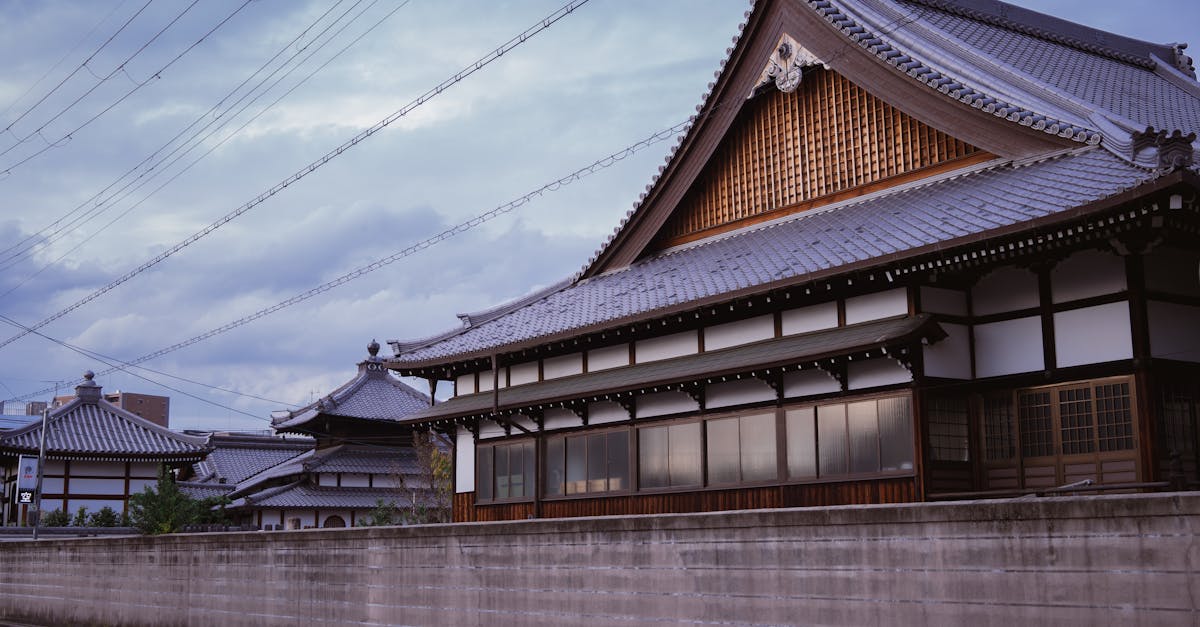
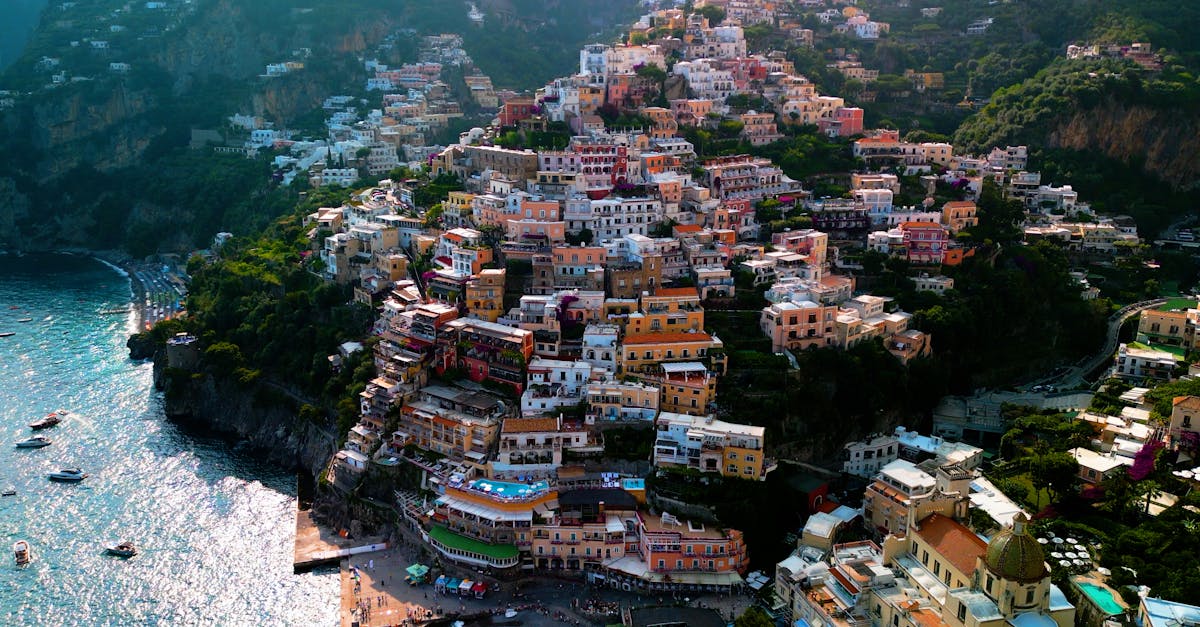
Kyoto, the former imperial capital, represents Japan's cultural and spiritual heart, housing over 2,000 temples and shrines alongside perfectly preserved traditional neighborhoods that transport visitors back centuries. The city's crown jewel, Kinkaku-ji (Golden Pavilion), gleams magnificently against its reflection in surrounding ponds, while the vermillion torii gates of Fushimi Inari Shrine create mesmerizing tunnels up the mountainside. The historic Gion district offers glimpses of geishas gracefully navigating cobblestone streets, and the bamboo groves of Arashiyama provide an otherworldly walking experience. Kyoto's compact size makes it ideal for exploration on foot or by bicycle, with bike rentals available for ¥1,000-1,500 ($7-10) daily. The city's bus system efficiently connects major attractions for ¥230 ($1.50) per ride, or visitors can purchase a day pass for ¥600 ($4). Temple admission fees typically range from ¥300-600 ($2-4), making cultural exploration remarkably affordable. Accommodation options span from traditional ryokans starting at ¥8,000 ($55) per person to budget guesthouses at ¥2,500 ($17) for dormitory beds. Kyoto's renowned kaiseki cuisine represents fine dining at its peak, with meals ranging from ¥10,000-30,000 ($70-200), though excellent local restaurants offer satisfying meals for ¥1,500-3,000 ($10-20). Three to four days allows thorough exploration of Kyoto's highlights, with daily budgets ranging from ¥6,000-10,000 ($40-70) for budget travelers to ¥12,000-20,000 ($80-135) for those seeking enhanced comfort and dining experiences.
3. Osaka: Japan's Kitchen and Cultural Playground
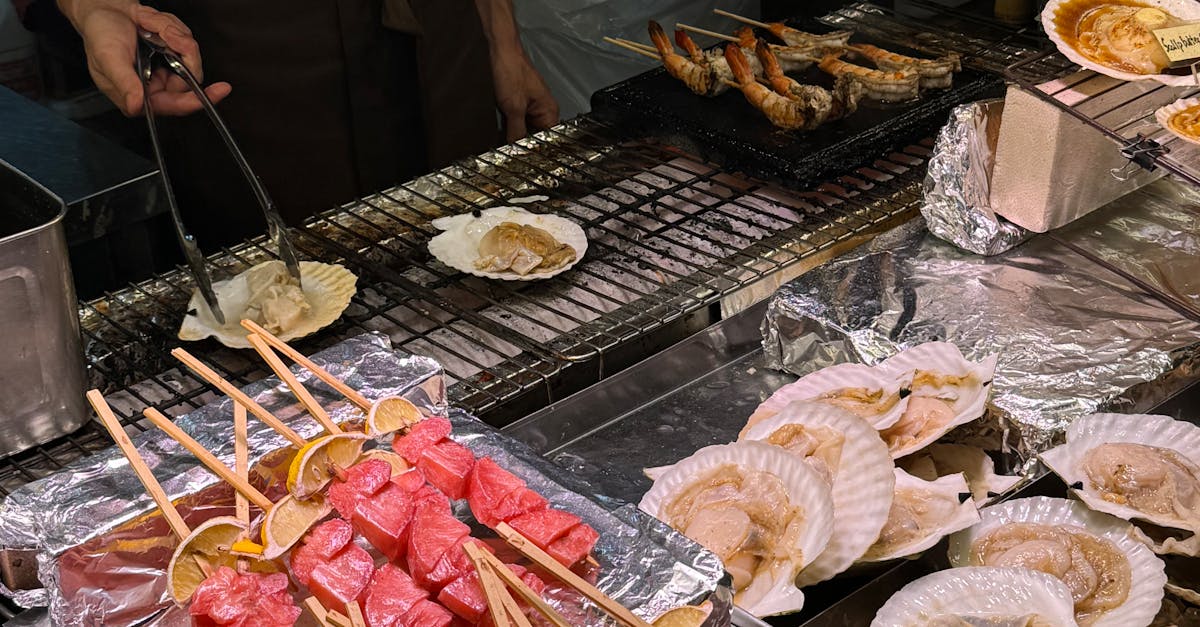
Osaka, affectionately known as "Japan's Kitchen," delivers an unparalleled culinary adventure while showcasing the warmth and humor of Kansai culture through its friendly locals and vibrant street food scene. The city's food culture centers around iconic dishes like takoyaki (octopus balls), okonomiyaki (savory pancakes), and kushikatsu (fried skewers), best experienced in the neon-lit Dotonbori district where massive mechanical signs and endless restaurants create a sensory feast. Beyond cuisine, Osaka offers historical depth through Osaka Castle, one of Japan's most famous landmarks, and spiritual significance at Sumiyoshi Taisha, one of the country's oldest shrines. The city serves as an excellent base for day trips to nearby attractions, including Nara's deer park and Himeji Castle. Osaka's efficient subway and train network makes navigation simple, with day passes costing ¥800 ($5.50) for unlimited subway travel. Street food adventures can be incredibly budget-friendly, with takoyaki portions starting at ¥500 ($3.50) and full meals available for ¥1,000-2,000 ($7-14). Osaka Castle admission costs ¥600 ($4), while many temples and parks remain free to explore. Accommodation ranges from ¥2,800 ($19) for hostel beds to ¥12,000 ($80) for business hotels. The city's reputation for value extends to entertainment, with many bars and izakayas offering reasonable prices for drinks and small plates. Two to three days suffices for experiencing Osaka's highlights, with daily budgets ranging from ¥7,000-11,000 ($48-75) for budget-conscious travelers to ¥13,000-22,000 ($90-150) for those seeking premium experiences and accommodations.
4. Mount Fuji: Japan's Sacred Symbol
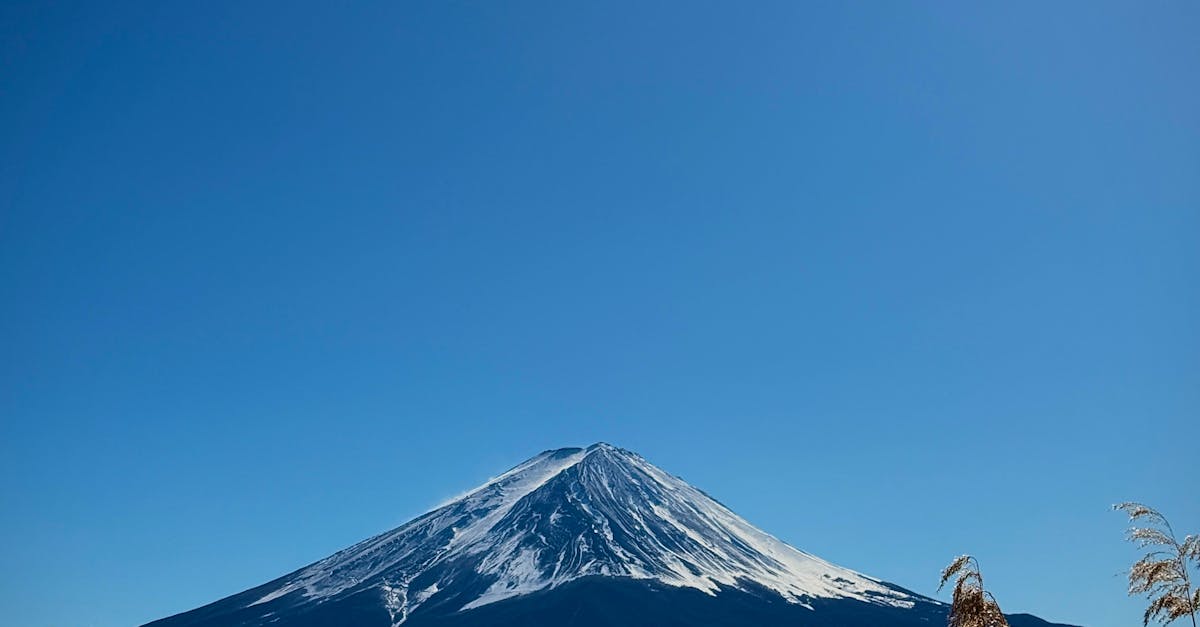
Mount Fuji, Japan's highest peak and most recognizable symbol, offers visitors a profound spiritual and natural experience that embodies the country's deep connection between nature and culture. While climbing season runs only from July to September, the mountain's beauty can be appreciated year-round from various vantage points, each offering unique perspectives of this perfectly symmetrical volcanic cone. The Fuji Five Lakes region provides stunning views and recreational activities, while Hakone offers hot springs, art museums, and scenic railway journeys with Fuji as a dramatic backdrop. Lake Kawaguchi serves as the most accessible viewing point, featuring traditional ryokans, scenic boat rides, and the iconic Chureito Pagoda viewpoint that frames Fuji perfectly with cherry blossoms in spring. Transportation to the Mount Fuji area from Tokyo costs approximately ¥2,500-4,000 ($17-27) depending on the route and destination. The Fuji-Hakone-Izu National Park offers numerous free hiking trails and viewpoints, while specific attractions like the Fuji-Q Highland amusement park cost ¥6,000 ($40) for admission. Accommodation in the region varies significantly, from budget hostels at ¥3,500 ($24) to luxury ryokans with private onsen baths starting at ¥20,000 ($135) per person. Climbing Mount Fuji requires additional costs including climbing fees of ¥1,000 ($7), mountain hut stays at ¥5,000-8,000 ($35-55), and proper gear rental. A two-day Mount Fuji area visit typically costs ¥12,000-18,000 ($80-120) for budget travelers, while those seeking luxury ryokan experiences should budget ¥25,000-40,000 ($170-270) per person.
5. Hiroshima: A City of Peace and Remembrance
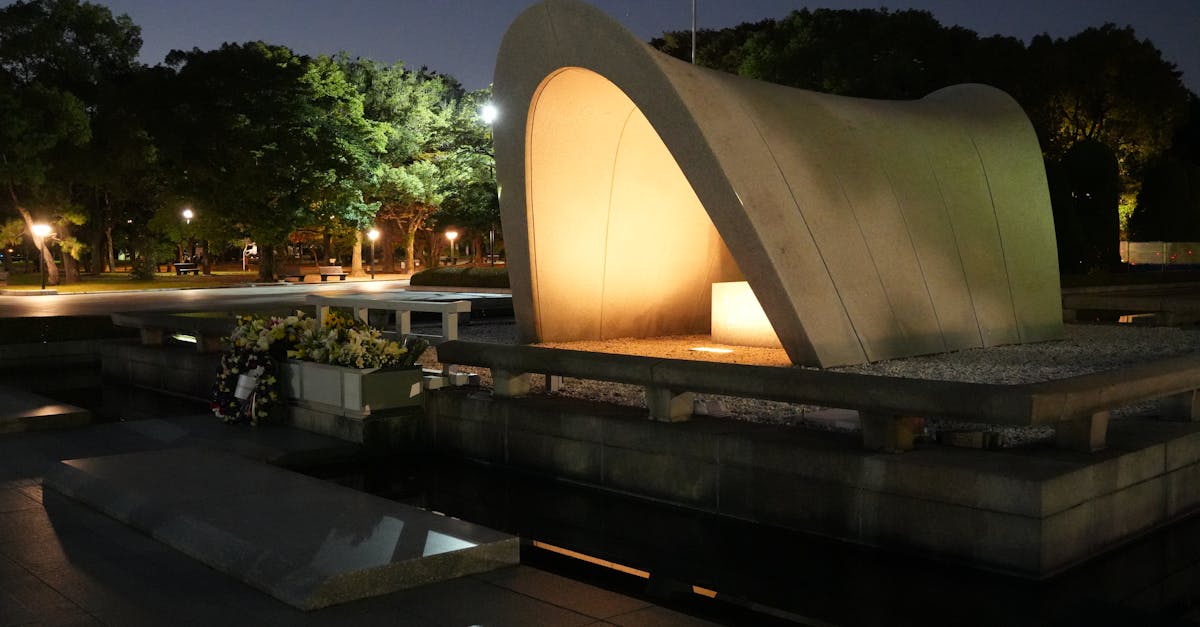
Hiroshima stands as a powerful testament to human resilience and the pursuit of peace, offering visitors profound historical insights alongside natural beauty and culinary excellence that create a deeply moving travel experience. The Peace Memorial Park and Museum provide essential historical context about the atomic bombing and its aftermath, while the iconic A-Bomb Dome serves as a haunting reminder preserved as a UNESCO World Heritage Site. Beyond its historical significance, Hiroshima offers the magical experience of Miyajima Island, home to the famous floating torii gate of Itsukushima Shrine, consistently ranked among Japan's three most scenic views. The island's friendly deer population and hiking trails to Mount Misen provide additional natural attractions. Hiroshima's culinary scene centers around okonomiyaki, a savory pancake that differs distinctly from Osaka's version, best enjoyed at specialized restaurants throughout the city. Transportation within Hiroshima utilizes an efficient tram system, with day passes costing ¥700 ($5), while the ferry to Miyajima Island costs ¥180 ($1.20) each way. The Peace Memorial Museum charges ¥200 ($1.40) admission, making it one of Japan's most accessible major attractions. Miyajima Island's shrine admission costs ¥300 ($2), with the cable car to Mount Misen adding ¥1,800 ($12). Accommodation ranges from ¥2,800 ($19) for hostel beds to ¥10,000 ($67) for quality business hotels. Local okonomiyaki meals cost ¥800-1,500 ($5.50-10), while fresh oysters, another local specialty, range from ¥1,000-2,500 ($7-17) per serving. Two days allows thorough exploration of both Hiroshima and Miyajima, with daily budgets ranging from ¥6,500-9,500 ($45-65) for budget travelers to ¥12,000-18,000 ($80-120) for enhanced comfort.
6. Nara: Ancient Capital and Sacred Deer
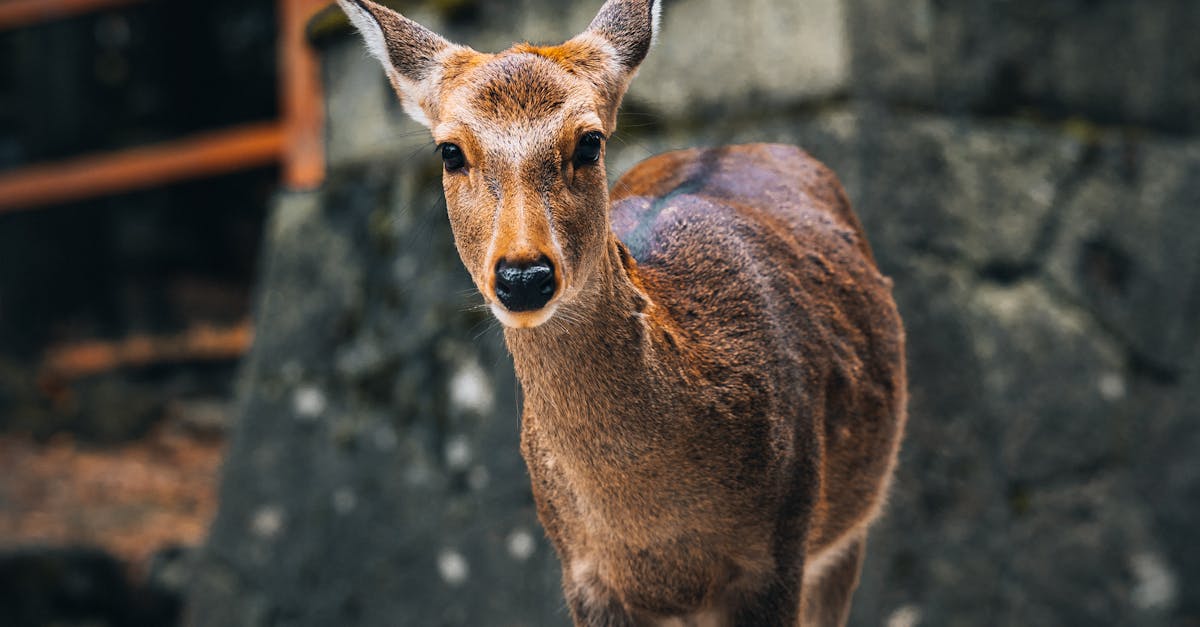
Nara, Japan's first permanent capital, offers an intimate encounter with the country's ancient history and Buddhism through its remarkable temples, friendly deer population, and compact size that makes exploration delightfully manageable for first-time visitors. Nara Park serves as the city's heart, where over 1,000 sacred deer roam freely among visitors, considered messengers of the gods in Shinto belief and always eager for deer crackers sold by vendors for ¥150 ($1). The massive Todaiji Temple houses the Great Buddha, one of Japan's largest bronze statues, while Kasuga Taisha shrine features thousands of stone and bronze lanterns creating magical pathways through ancient forests. Kofukuji Temple's five-story pagoda provides Nara's most iconic silhouette, particularly beautiful during cherry blossom season and autumn foliage. Nara's compact nature allows most attractions to be reached on foot, though bicycle rentals for ¥1,000 ($7) daily provide efficient transportation. The city works perfectly as a day trip from Kyoto or Osaka, with train transportation costing ¥760 ($5) from Kyoto or ¥560 ($4) from Osaka. Todaiji Temple admission costs ¥600 ($4), while Kasuga Taisha charges ¥500 ($3.50) for inner shrine access, though the outer areas remain free. Many visitors enjoy Nara as a day trip, spending ¥2,000-3,500 ($14-24) on transportation, admission fees, and meals. For those staying overnight, accommodation ranges from ¥3,000 ($20) for guesthouses to ¥8,000 ($55) for traditional inns. Local specialties include kakinoha-zushi (persimmon leaf sushi) and Nara's famous sake, with restaurant meals ranging from ¥1,200-2,500 ($8-17). A full day in Nara typically costs ¥4,000-6,000 ($27-40) including transportation from nearby cities, making it an excellent value destination for cultural immersion.
7. Nikko: Spiritual Sanctuary in Natural Splendor
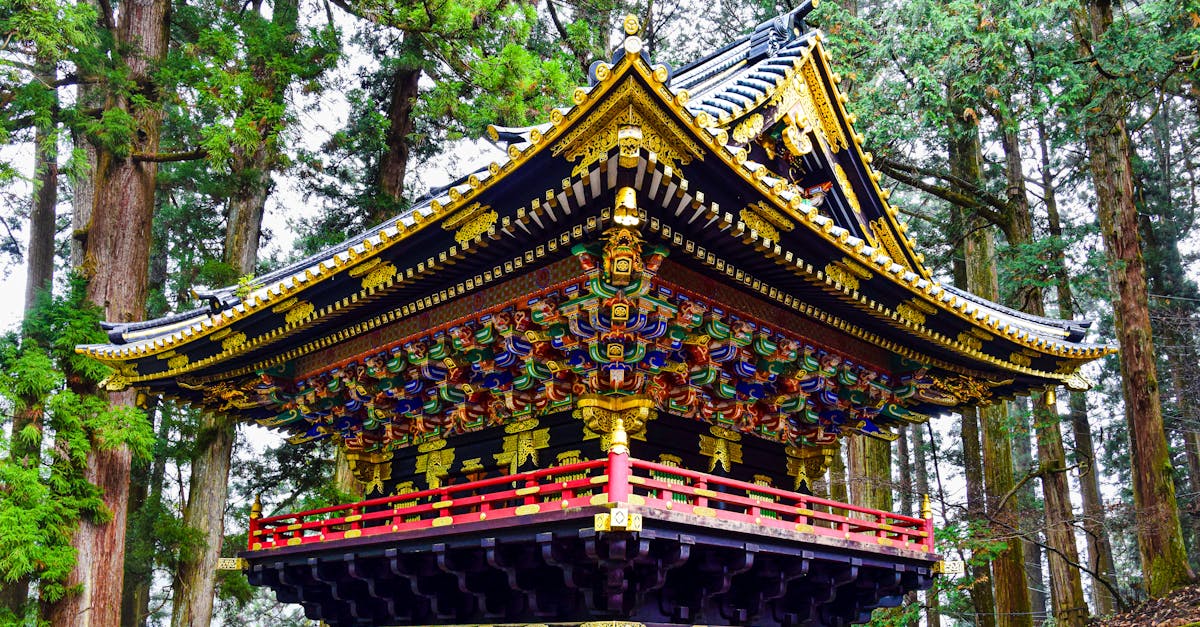
Nikko represents a perfect fusion of spiritual significance and natural beauty, featuring elaborate shrines and temples nestled within pristine mountain landscapes that showcase Japan's architectural mastery and reverence for nature. The UNESCO World Heritage Toshogu Shrine complex honors Tokugawa Ieyasu, the founder of the Tokugawa shogunate, with incredibly ornate decorations including the famous "see no evil, hear no evil, speak no evil" monkey carvings and the sleeping cat sculpture. Lake Chuzenji and Kegon Falls provide stunning natural attractions, particularly spectacular during autumn when maple leaves create brilliant red and gold tapestries across the mountainsides. The area's hot springs (onsen) offer relaxation after temple visits and hiking, with several public baths and luxury resorts available. Nikko's elevation provides cooler temperatures than Tokyo, making it an excellent summer escape. Transportation from Tokyo via the Tobu Nikko Line costs ¥1,360 ($9) each way, with various discount passes available for multiple attractions. The Toshogu Shrine admission costs ¥1,300 ($9), while the shrine and temple pass for ¥1,000 ($7) provides access to multiple sites. Lake Chuzenji area attractions cost additional fees, with the scenic ropeway to Mount Nantai costing ¥1,200 ($8) round trip. Accommodation ranges from ¥4,000 ($27) for mountain lodges to ¥15,000 ($100) for onsen resorts with traditional kaiseki meals included. Local specialties include yuba (tofu skin) cuisine and Nikko's famous ice cream, with meals ranging from ¥1,500-4,000 ($10-27). A two-day Nikko visit typically costs ¥8,000-12,000 ($55-80) for budget travelers, while those seeking onsen luxury should budget ¥18,000-30,000 ($120-200) per person.
8. Kanazawa: The Golden City of Crafts and Gardens
Kanazawa, often called "Little Kyoto," preserves traditional Japanese culture through its immaculate gardens, historic districts, and thriving artisan communities that continue centuries-old crafts like gold leaf production and Kutani pottery. Kenroku-en Garden ranks among Japan's three most beautiful gardens, featuring perfectly balanced landscapes that showcase different seasonal beauty throughout the year, from snow-laden winter scenes to cherry blossoms and autumn maples. The historic Higashi Chaya district transports visitors to the Edo period with its preserved tea houses, many still operating as exclusive geisha entertainment venues, while the Omicho Market offers incredible fresh seafood from the nearby Sea of Japan. Kanazawa's 21st Century Museum of Contemporary Art provides modern contrast to traditional attractions, featuring innovative installations and architecture. The city's compact size makes walking feasible, though the efficient bus system offers day passes for ¥500 ($3.50). Kenroku-en Garden admission costs ¥320 ($2.20), making it one of Japan's most affordable major attractions, while the contemporary art museum charges ¥450 ($3) for permanent collection access. Gold leaf workshops and pottery experiences range from ¥1,500-3,000 ($10-20), providing hands-on cultural immersion. Accommodation spans from ¥3,500 ($24) for guesthouses to ¥12,000 ($80) for business hotels, with some traditional ryokans available for ¥18,000 ($120) per person. Kanazawa's proximity to the Sea of Japan ensures exceptional seafood, with kaisendon (seafood bowls) costing ¥1,500-3,000 ($10-20) and high-end sushi experiences ranging from ¥5,000-15,000 ($35-100). Two to three days allows thorough exploration, with daily budgets ranging from ¥7,000-10,000 ($48-67) for budget travelers to ¥15,000-25,000 ($100-170) for luxury experiences.
9. Takayama: Alpine Charm and Traditional Architecture
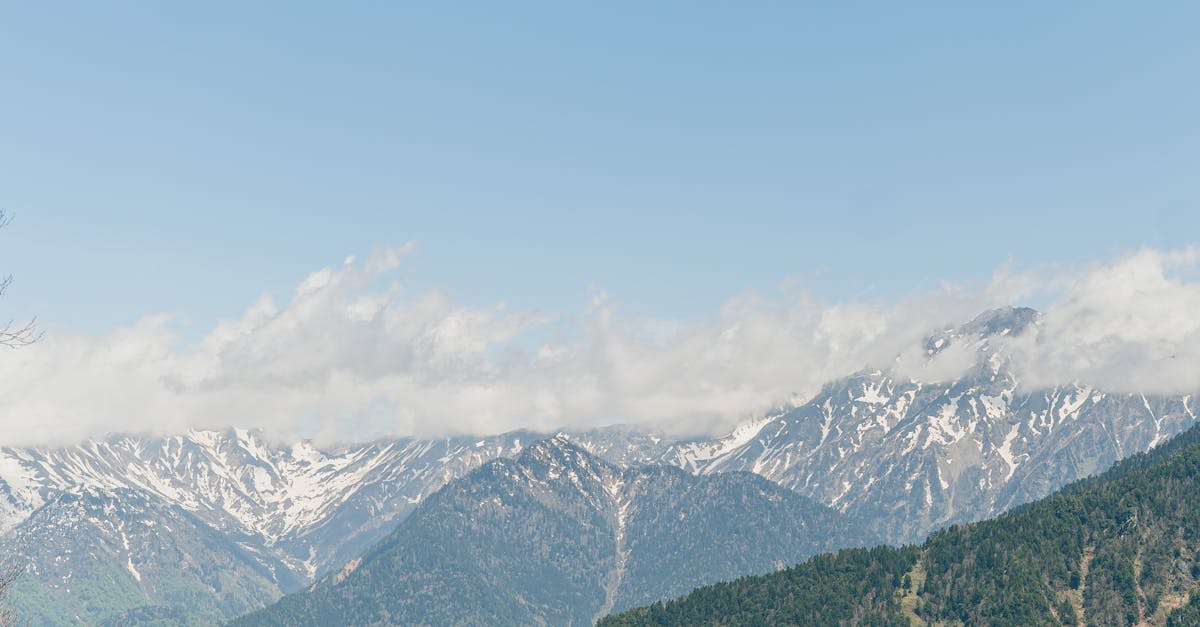
Takayama, nestled in the Japanese Alps, offers an authentic glimpse into traditional rural Japanese life through its perfectly preserved Edo-period streets, sake breweries, and proximity to the UNESCO World Heritage Shirakawa-go village. The historic Sanmachi Suji district features original wooden buildings housing sake tastings, craft shops, and traditional restaurants, while the morning markets showcase local mountain vegetables, crafts, and the famous Hida beef. The nearby Shirakawa-go village displays traditional gassho-zukuri farmhouses with steep thatched roofs designed to withstand heavy snowfall, creating one of Japan's most photographed rural landscapes. Takayama's mountain location provides excellent hiking opportunities and serves as a gateway to the Tateyama-Kurobe Alpine Route. The city's walkable size eliminates transportation costs within the historic areas, though bicycle rentals for ¥300