17 Best Places to Travel in 2026 That Aren't Completely Overrun With Tourists
As we approach 2026, the global tourism landscape continues to evolve dramatically, with traditional hotspots like Venice, Barcelona, and Machu Picchu struggling under the weight of millions of visitors annually. The concept of "overtourism" has become a pressing concern, not just for local communities and ecosystems, but for travelers seeking authentic, meaningful experiences. This comprehensive guide unveils seventeen extraordinary destinations that offer the perfect balance of cultural richness, natural beauty, and accessibility without the crushing crowds that have come to define modern travel. These carefully selected locations represent emerging gems, overlooked treasures, and thoughtfully managed destinations that prioritize sustainable tourism while delivering unforgettable experiences. From remote islands in the Pacific to ancient cities in Central Asia, from pristine wilderness areas to vibrant cultural centers, each destination on this list has been chosen for its ability to provide genuine connection with local communities, untouched natural environments, and authentic cultural experiences. As responsible travelers increasingly seek alternatives to overcrowded tourist traps, these seventeen destinations offer the opportunity to explore our world's incredible diversity while supporting local economies and preserving the very qualities that make travel transformative.
1. Socotra Island, Yemen: The Galápagos of the Indian Ocean
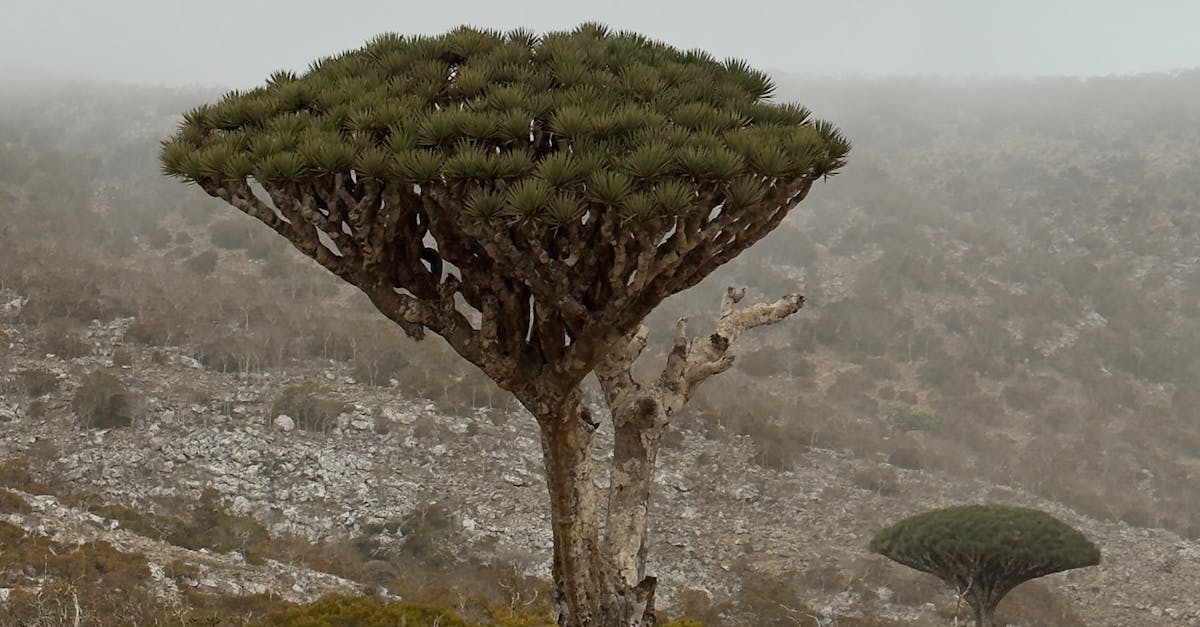
Socotra Island stands as one of the most biodiverse and isolated places on Earth, earning its nickname as the "Galápagos of the Indian Ocean" through its remarkable endemic species and otherworldly landscapes. Located approximately 240 miles off the coast of Yemen, this UNESCO World Heritage site hosts over 700 species found nowhere else on the planet, including the iconic Dragon's Blood Trees that dot its alien-like terrain with their umbrella-shaped canopies. Despite ongoing regional challenges, Socotra has remained largely untouched by mass tourism, making it an extraordinary destination for adventurous travelers seeking pristine natural environments. The island's isolation has preserved not only its unique flora and fauna but also its distinct Socotri culture, where locals speak an unwritten language and maintain traditional ways of life that have remained unchanged for centuries. Visitors can explore dramatic limestone plateaus, pristine beaches with crystal-clear waters, and towering sand dunes that shift with the monsoon winds. The island's commitment to conservation and its naturally limited accessibility ensure that tourism remains small-scale and sustainable, offering travelers the rare opportunity to witness evolution in action while supporting local communities through responsible eco-tourism initiatives.
2. Faroe Islands: Nordic Beauty Without the Crowds
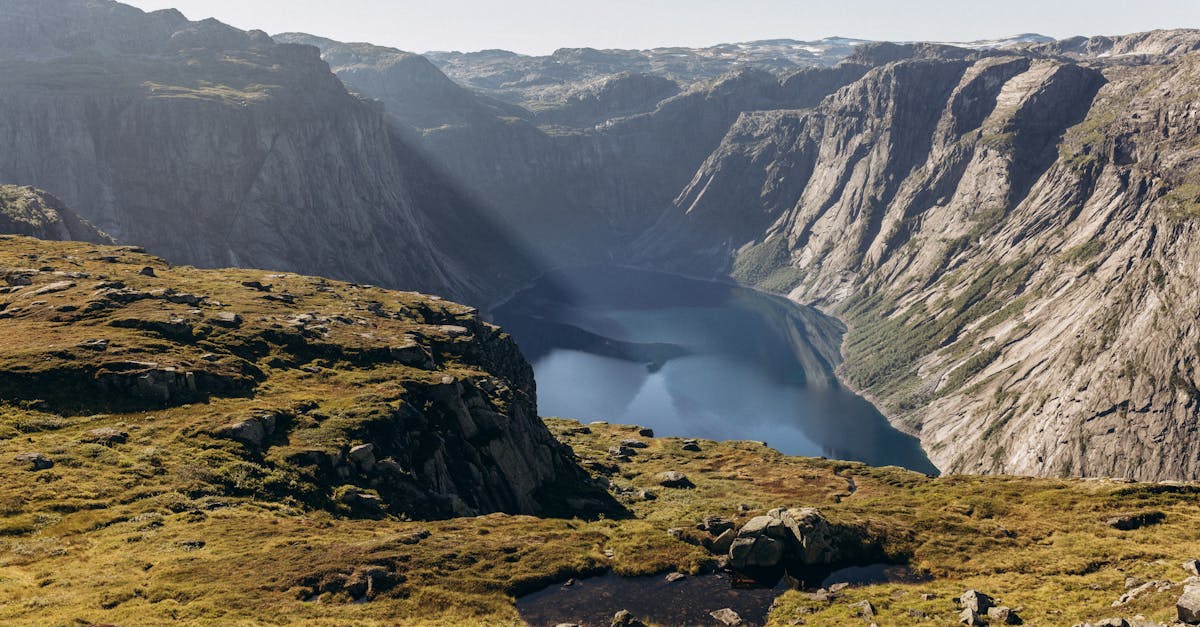
The Faroe Islands, an autonomous territory within Denmark, offer some of the most spectacular Nordic scenery in the world without the overwhelming tourist presence that has transformed Iceland and Norway's popular destinations. This archipelago of eighteen islands in the North Atlantic presents a landscape of dramatic cliffs, emerald valleys, and traditional grass-roof houses that seem to emerge organically from the rolling hills. With a population of just 50,000 people, the Faroes maintain an intimate scale that allows visitors to experience authentic Nordic culture through local festivals, traditional chain dancing, and a thriving culinary scene that celebrates the islands' maritime heritage. The islands' strategic location between Iceland and Norway provides access to incredible hiking trails, including the famous Kallur lighthouse hike and the village-to-village walks that connect remote settlements through ancient pathways. The Faroese commitment to sustainable tourism is evident in their "closed for maintenance" initiative, where popular sites are temporarily closed to volunteers who help preserve the natural environment while gaining deeper insights into local conservation efforts. The islands' unpredictable weather patterns and remote location naturally limit visitor numbers, ensuring that those who make the journey are rewarded with pristine landscapes, genuine cultural encounters, and the kind of transformative travel experiences that have become increasingly rare in our interconnected world.
3. Raja Ampat, Indonesia: The Crown Jewel of Marine Biodiversity
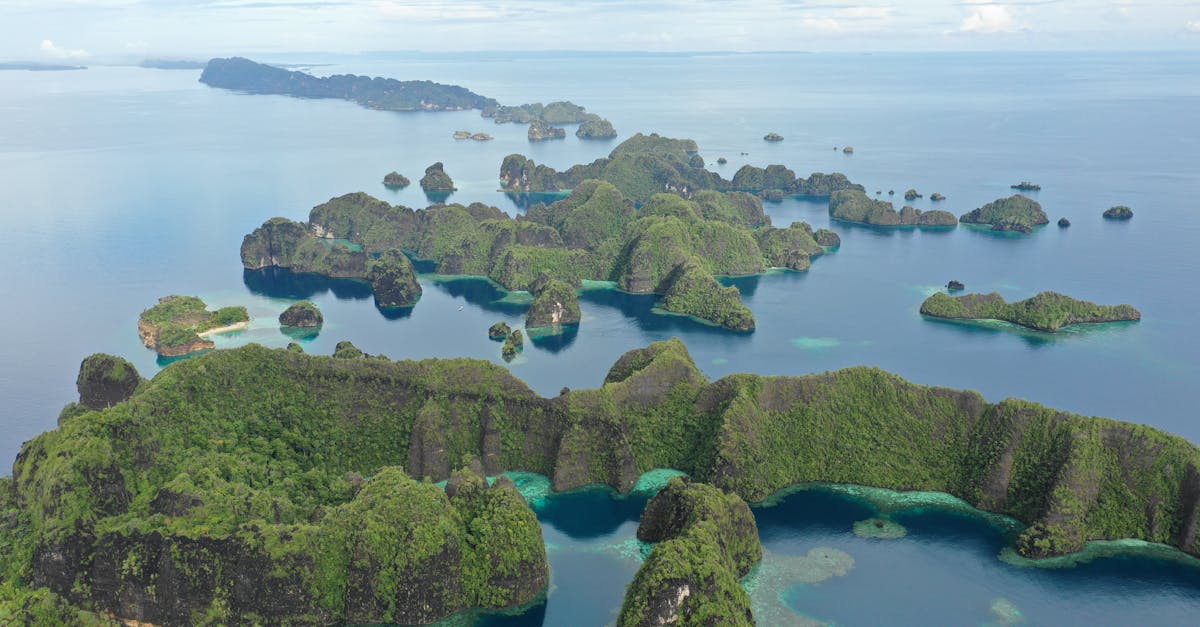
Raja Ampat, meaning "Four Kings" in Indonesian, represents the epicenter of global marine biodiversity and offers some of the world's most pristine diving and snorkeling experiences without the crowds that plague other tropical destinations. Located off the northwest tip of Indonesia's West Papua province, this remote archipelago encompasses over 1,500 small islands and harbors an astounding 75% of all known coral species and more than 1,400 species of fish. The region's isolation and the Indonesian government's commitment to marine conservation have created a sanctuary where travelers can witness healthy coral reefs, manta ray cleaning stations, and schools of fish so dense they block out sunlight. Local communities have embraced sustainable tourism through the "sasi" traditional conservation system, where certain areas are periodically closed to fishing and tourism to allow marine ecosystems to regenerate. Visitors can stay in eco-friendly resorts run by local communities, participate in coral restoration projects, and explore hidden lagoons accessible only by traditional boats guided by indigenous Papuan navigators. The region's limited infrastructure and requirement for specialized diving certifications naturally control visitor numbers, ensuring that this underwater paradise remains pristine for future generations while providing local communities with sustainable income alternatives to fishing and logging.
4. Bhutan: The Last Shangri-La's Sustainable Tourism Model
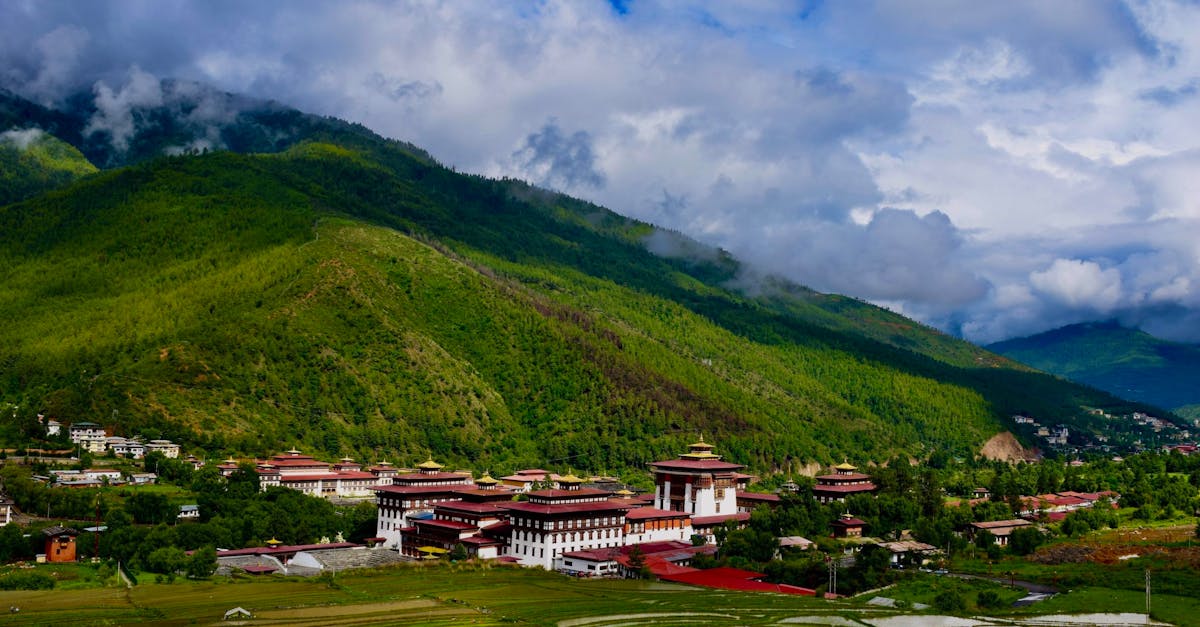
Bhutan, the world's only carbon-negative country, has perfected the art of high-value, low-impact tourism through its innovative "High Value, Low Impact" policy that prioritizes visitor experience quality over quantity. This Himalayan kingdom, nestled between China and India, maintains its pristine environment and unique Buddhist culture through a carefully managed tourism system that requires visitors to pay a daily sustainable development fee, ensuring that tourism directly benefits local communities and conservation efforts. The policy has successfully prevented the overtourism that has affected neighboring regions while preserving Bhutan's remarkable biodiversity, which includes snow leopards, tigers, and over 700 bird species across ecosystems ranging from subtropical plains to alpine peaks above 7,000 meters. Visitors to Bhutan experience authentic Buddhist culture through monastery visits, traditional festivals, and interactions with monks who maintain centuries-old practices in active religious communities. The country's commitment to Gross National Happiness over Gross Domestic Product creates a unique travel environment where spiritual well-being, environmental conservation, and cultural preservation take precedence over commercial tourism development. Travelers can trek through pristine forests to ancient temples, witness traditional archery competitions, and participate in local festivals where masked dances tell stories passed down through generations, all while knowing their visit directly supports the kingdom's remarkable conservation and cultural preservation efforts.
5. Madagascar: A Continent in Miniature
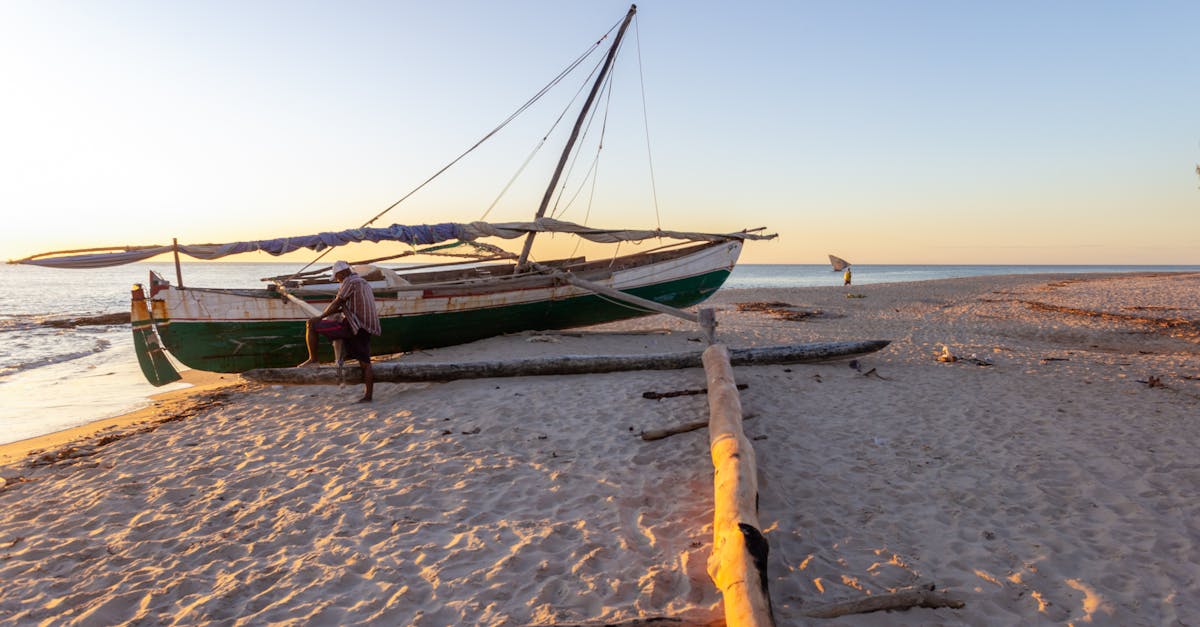
Madagascar, the world's fourth-largest island, offers an unparalleled natural experience with 90% of its wildlife found nowhere else on Earth, yet remains surprisingly accessible to travelers seeking authentic adventure without overwhelming crowds. Separated from mainland Africa 165 million years ago, this "eighth continent" has evolved into a living laboratory of evolution where lemurs, fossas, and chameleons have developed into species found nowhere else on the planet. The island's diverse ecosystems range from the spiny forests of the south, where octopus trees and baobabs create alien landscapes, to the rainforests of the east, where indri lemurs sing their haunting songs through morning mists. Madagascar's size and varied geography naturally distribute visitors across multiple regions, preventing the concentration of tourists that affects smaller island destinations. Local communities have developed innovative eco-tourism initiatives, including community-managed reserves where visitors can track lemurs with local guides while directly supporting conservation efforts and village development projects. The island's rich cultural heritage, influenced by African, Asian, and French traditions, creates unique experiences through local markets, traditional music performances, and artisan workshops where travelers can learn about silk weaving, wood carving, and the production of vanilla, which Madagascar supplies to much of the world.
6. Azores, Portugal: Europe's Best-Kept Secret
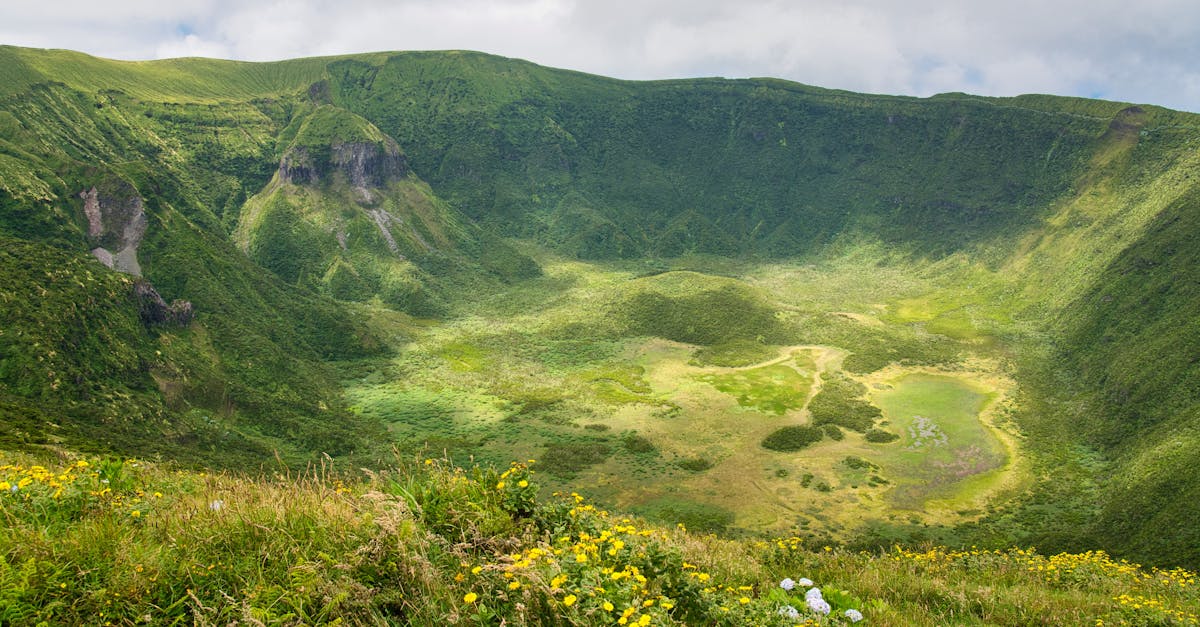
The Azores archipelago, comprising nine volcanic islands in the middle of the Atlantic Ocean, represents one of Europe's most spectacular and least crowded destinations, offering dramatic landscapes shaped by volcanic activity and a subtropical climate that supports year-round outdoor adventures. These Portuguese islands, located 1,000 miles from mainland Europe, feature crater lakes with impossibly blue and green waters, natural hot springs that provide therapeutic relaxation, and hiking trails that traverse landscapes ranging from lunar-like volcanic fields to lush forests filled with endemic plants. The islands' commitment to sustainable tourism is evident in their renewable energy initiatives, where geothermal and wind power provide clean electricity, and their support for local agriculture, including tea plantations, wine production, and traditional cheese-making that visitors can experience through farm stays and culinary tours. Each island offers distinct experiences: São Miguel's Sete Cidades crater lakes and Terra Nostra botanical garden, Pico's UNESCO World Heritage vineyard landscapes and whale watching opportunities, and Flores' dramatic waterfalls and pristine hiking trails. The Azores' location in the Atlantic migration route makes them exceptional for whale and dolphin watching, with over twenty species regularly spotted in surrounding waters. The islands' small scale and focus on nature-based tourism ensure that development remains sustainable while providing visitors with authentic experiences that include traditional festivals, local cuisine featuring fresh seafood and regional specialties, and opportunities to participate in conservation projects protecting endemic species and marine ecosystems.
7. Kyrgyzstan: The Switzerland of Central Asia
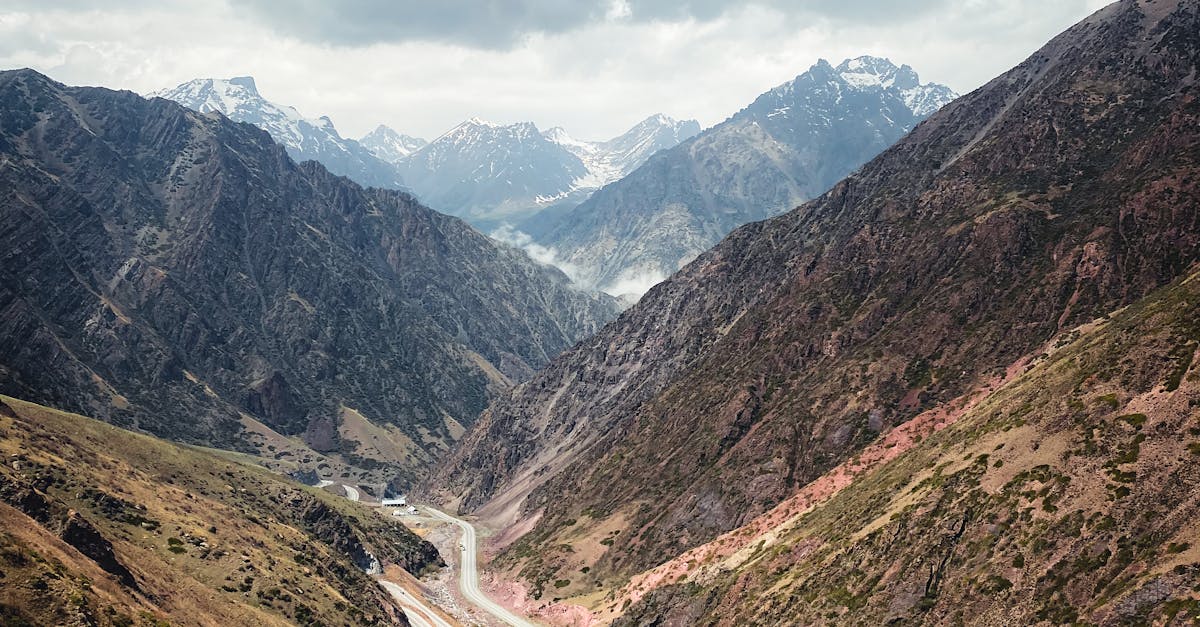
Kyrgyzstan, often called the "Switzerland of Central Asia," offers some of the world's most spectacular mountain scenery and nomadic cultural experiences without the crowds and costs associated with Alpine tourism. This landlocked country, where 90% of the territory lies above 1,500 meters, features the Tian Shan and Pamir mountain ranges, pristine alpine lakes including the stunning Issyk-Kul, and vast jailoos (summer pastures) where traditional nomadic life continues much as it has for centuries. The country's commitment to community-based tourism allows visitors to stay with nomadic families in traditional yurts, participate in eagle hunting expeditions, and learn traditional crafts including felt-making and horseback riding techniques passed down through generations. Kyrgyzstan's dramatic landscapes include the fairy-tale canyons of Skazka, the red rock formations of Jeti-Oguz, and the pristine wilderness of Song-Kol Lake, where visitors can experience complete silence broken only by the sounds of wind and wildlife. The country's developing tourism infrastructure focuses on sustainable practices that benefit local communities, including homestay networks that provide authentic cultural exchanges and support rural economies. Adventure travelers can trek through pristine mountain valleys, climb peaks over 7,000 meters, and explore ancient Silk Road sites while experiencing the legendary hospitality of Kyrgyz people who maintain strong traditions of welcoming travelers with kumys (fermented mare's milk), traditional music performances, and stories that preserve the oral history of Central Asian nomadic cultures.
8. Tasmania, Australia: The Island of Inspiration
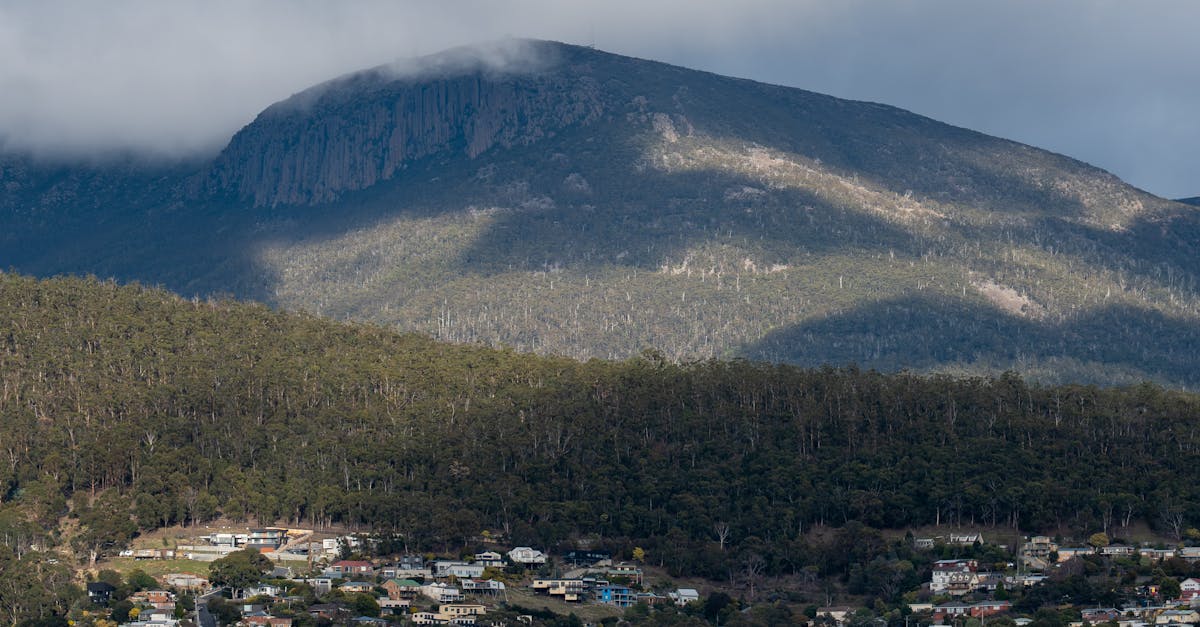
Tasmania, Australia's island state, offers an extraordinary concentration of wilderness, world-class art, and culinary excellence that rivals any destination globally while maintaining a refreshingly uncrowded atmosphere that allows for intimate encounters with both nature and culture. Known locally as "Tassie," this heart-shaped island features some of the world's cleanest air, most pristine wilderness areas, and most innovative cultural institutions, including the Museum of Old and New Art (MONA), which has revolutionized how art museums engage with visitors through provocative exhibitions and immersive experiences. The island's commitment to conservation is evident in its World Heritage wilderness areas, which cover over 20% of the landmass and protect ancient rainforests, alpine landscapes, and unique wildlife including Tasmanian devils, wombats, and echidnas found nowhere else on Earth. Tasmania's emerging reputation as a culinary destination is built on exceptional local produce, including world-renowned whisky distilleries, cool-climate wines, fresh seafood, and artisanal products that reflect the island's clean environment and innovative food culture. Visitors can explore the dramatic landscapes of Cradle Mountain-Lake St Clair National Park, walk through ancient forests in the Tarkine wilderness, and experience the raw beauty of the Three Capes Track, one of the world's great coastal walks. The island's compact size allows travelers to experience diverse ecosystems and cultural attractions within short distances, while its isolation from mainland Australia has preserved both its natural environment and its distinct cultural identity that blends convict history, Aboriginal heritage, and contemporary Australian innovation.
9. Sark, Channel Islands: Car-Free Paradise
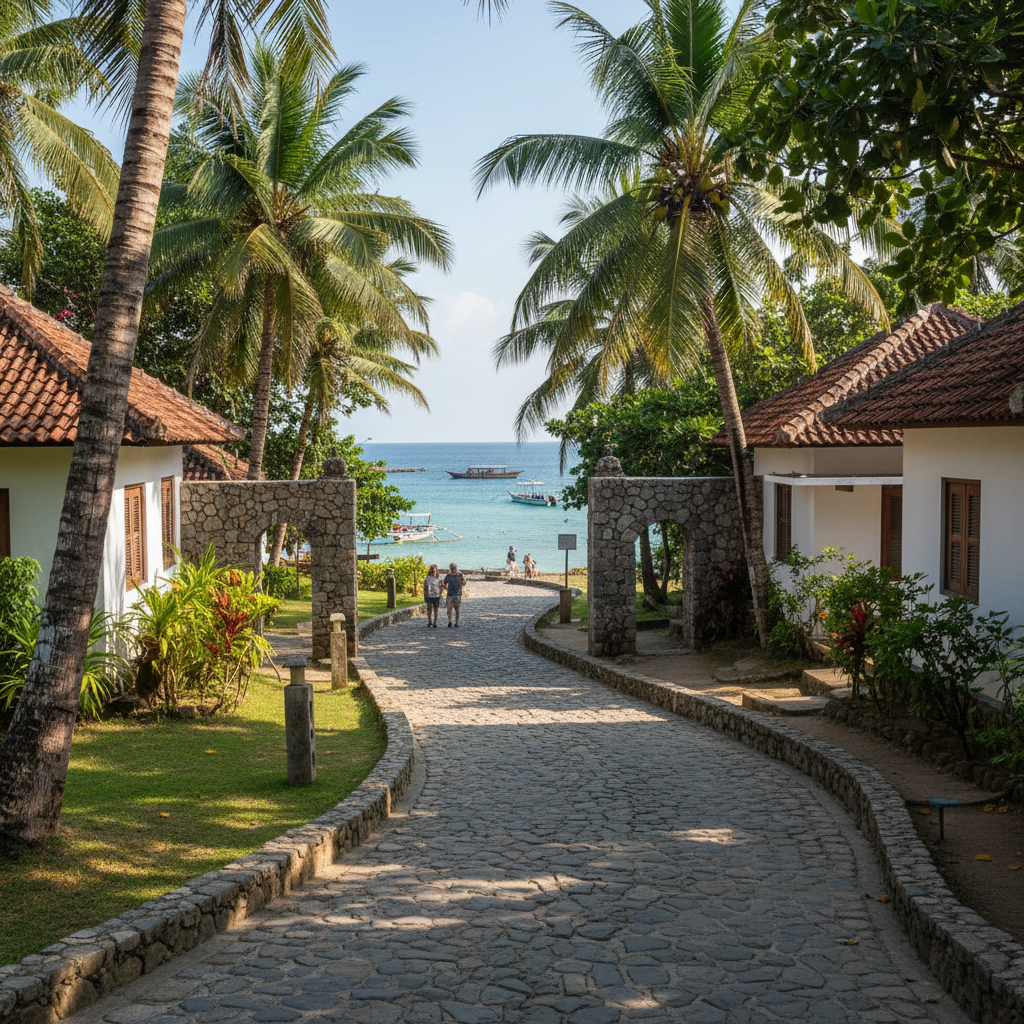
Sark, the smallest of the four main Channel Islands, offers a unique travel experience as one of the few remaining places in the world where cars are banned and life moves at the pace of horse-drawn carriages and bicycles. This feudal island, measuring just 3.5 miles long and 1.5 miles wide, maintains medieval governance structures and traditional ways of life that have disappeared elsewhere in Europe, creating an atmosphere of timeless tranquility that attracts visitors seeking respite from modern life's relentless pace. The island's dramatic coastal scenery includes towering cliffs, hidden coves accessible only at low tide, and the famous Venus Pool, a natural swimming hole carved into the rocks by centuries of wave action. Sark's commitment to preserving its unique character extends to its Dark Sky designation, making it one of the world's best places for stargazing, where the Milky Way is visible to the naked eye and astronomical events can be observed without light pollution. The island's small population of around 500 residents maintains traditional industries including farming, fishing, and crafts, while welcoming visitors through family-run hotels, restaurants serving locally sourced ingredients, and guided tours that reveal hidden caves, ancient burial sites, and stories of smugglers and pirates who once used the island's numerous hiding places. Visitors can explore the island's network of footpaths that connect secluded beaches, historic sites, and viewpoints offering panoramic views across the English Channel, while experiencing a pace of life that allows for genuine relaxation and connection with both nature and local community.
10. Vanuatu: Melanesian Culture and Active Volcanoes
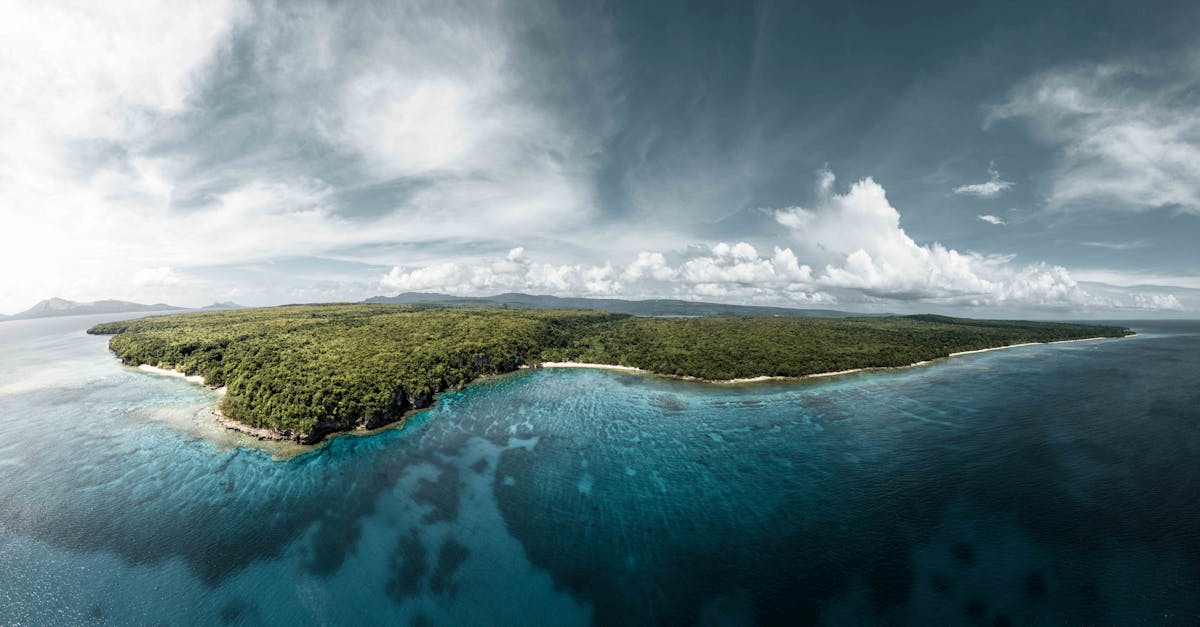
Vanuatu, an archipelago of 83 islands in the South Pacific, offers one of the world's most accessible active volcano experiences alongside authentic Melanesian culture that remains largely unchanged by mass tourism. The country's commitment to cultural preservation is evident in its recognition of over 100 indigenous languages and its support for traditional practices including sand drawing, which UNESCO has recognized as a Masterpiece of Oral and Intangible Heritage of Humanity. Mount Yasur on Tanna Island provides visitors with the extraordinary opportunity to peer into an active volcanic crater that has been erupting continuously for over 800 years, creating a natural fireworks display that can be safely observed from designated viewing areas. The archipelago's diverse islands offer experiences ranging from the cultural immersion opportunities in traditional villages where visitors can participate in kava ceremonies and witness traditional dances, to world-class diving sites where WWII wrecks rest alongside pristine coral reefs teeming with marine life. Vanuatu's approach to tourism emphasizes community involvement and cultural authenticity, with many accommodations owned and operated by local families who share their knowledge of traditional fishing techniques, handicraft production, and stories that preserve the islands' rich oral history. The country's natural attractions include blue holes with impossibly clear water perfect for swimming and snorkeling, pristine beaches where sea turtles nest undisturbed, and rainforest canopy walks that provide access to endemic bird species and traditional medicinal plants still used by local healers.
11. North Macedonia: Balkan Gem Rediscovered
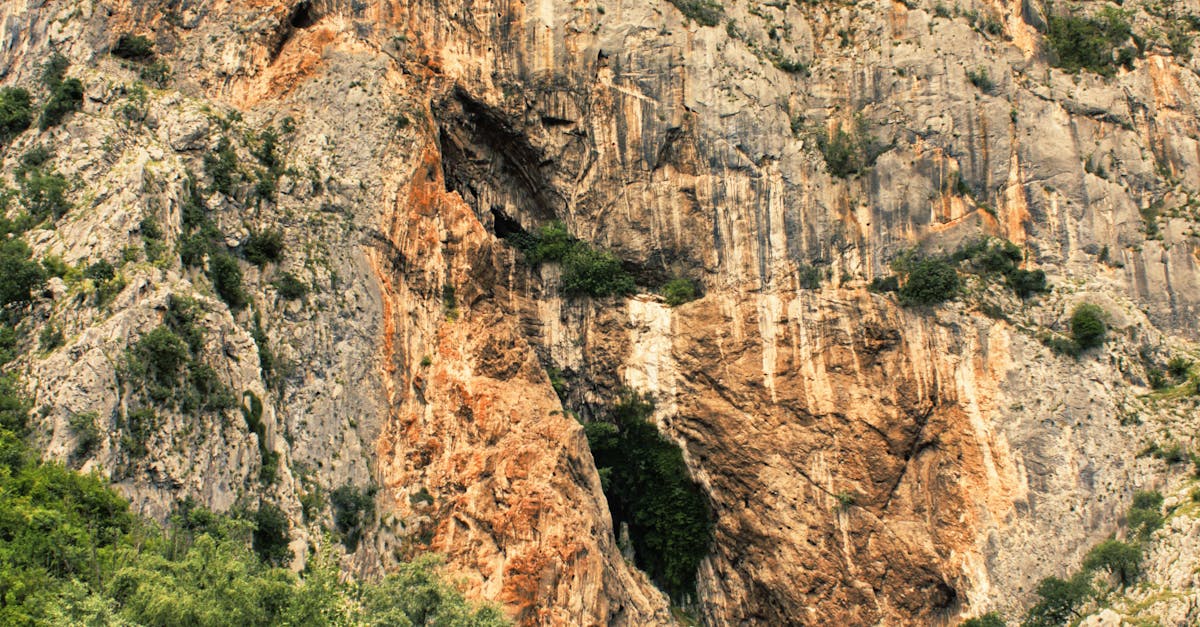
North Macedonia, one of Europe's youngest nations, offers an extraordinary blend of ancient history, stunning natural beauty, and warm hospitality that remains largely undiscovered by mainstream tourism despite its accessibility and rich cultural heritage. The country's strategic location at the crossroads of Europe and Asia has created a unique cultural fusion evident in its Byzantine churches, Ottoman architecture, and ancient archaeological sites including the UNESCO World Heritage site of Ohrid, often called the "Jerusalem of the Balkans" for its concentration of medieval churches and monasteries. Lake Ohrid, one of Europe's oldest and deepest lakes, provides crystal-clear waters perfect for swimming and water sports, while supporting endemic species found nowhere else on Earth and maintaining traditional fishing practices that have continued for over a millennium. The country's mountainous terrain offers exceptional hiking opportunities through national parks including Mavrovo and Galicica, where visitors can encounter brown bears, lynx, and over 200 bird species while exploring landscapes that range from alpine meadows to deep canyons carved by ancient rivers. North Macedonia's emerging wine industry, built on indigenous grape varieties and traditional winemaking techniques, provides authentic agritourism experiences in family-owned vineyards where visitors can participate in harvest activities and learn about wine production methods that date back to ancient times. The capital city of Skopje offers a fascinating blend of Ottoman bazaars, modernist architecture, and contemporary cultural institutions, while smaller towns like Kratovo and Berovo preserve traditional crafts including pottery, woodcarving, and textile production that visitors can experience through workshops and cultural exchanges with local artisans.
12. Cook Islands: Polynesian Paradise Perfected
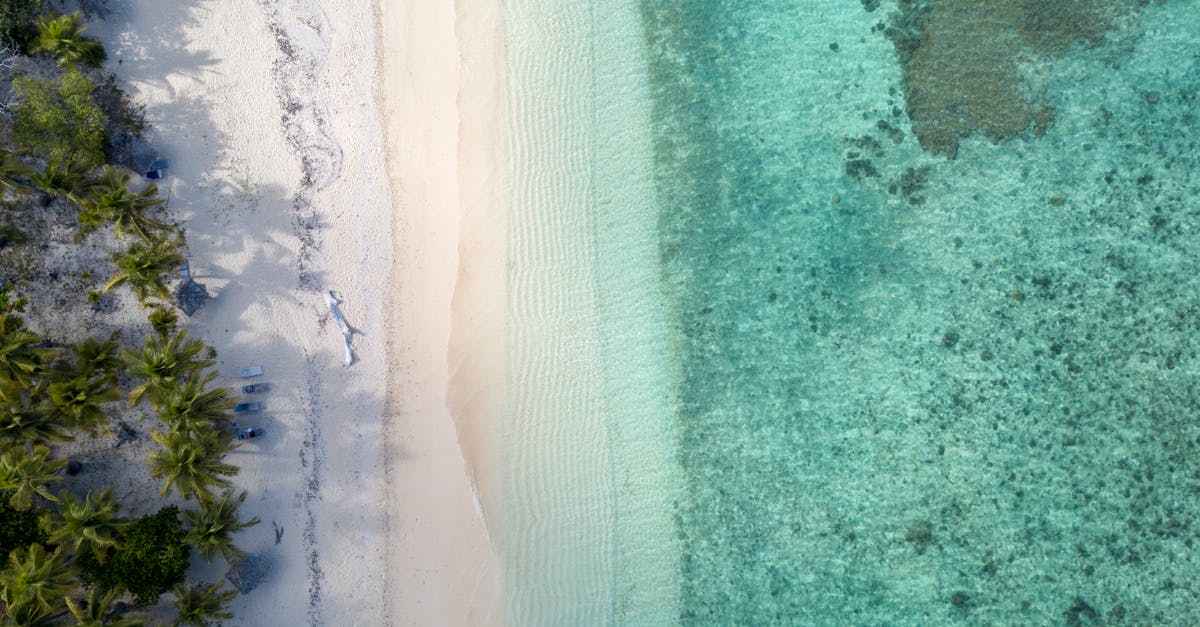
The Cook Islands, a self-governing territory in free association with New Zealand, represent the perfect balance of Polynesian culture, pristine natural beauty, and sustainable tourism practices that have prevented the overdevelopment affecting other Pacific destinations. This collection of fifteen islands scattered across two million square kilometers of Pacific Ocean offers experiences ranging from the dramatic volcanic landscapes and vibrant coral reefs of Rarotonga to the pristine atolls of the northern group, where traditional Polynesian life continues with minimal outside influence. The islands' commitment to cultural preservation is evident in their support for traditional practices including tivaevae (quilting), wood carving, and the performance arts that tell stories of Polynesian navigation, mythology, and daily life through dance, music, and oral traditions passed down through generations. Aitutaki Lagoon, consistently rated among the world's most beautiful, offers snorkeling and diving experiences in waters so clear that boats appear to float on air, while supporting marine conservation initiatives that protect giant clams, sea turtles, and pristine coral ecosystems. The Cook Islands' approach to sustainable tourism includes community-owned accommodations, locally sourced cuisine featuring tropical fruits and fresh seafood, and cultural experiences that provide authentic insights into Polynesian life while supporting local economies and traditional practices. Visitors can participate in traditional cooking demonstrations using earth ovens, learn traditional navigation techniques from master navigators who still use stars and ocean swells to guide their journeys