
8 Best Work and Travel Programs for Students in 2026
The landscape of student work and travel programs has undergone a remarkable transformation in 2026, emerging stronger and more diverse than ever before following the global challenges of the early 2020s. Today's programs represent a sophisticated fusion of professional development, cultural immersion, and educational enrichment that goes far beyond traditional gap year experiences. These carefully curated opportunities now incorporate cutting-edge technology, sustainability initiatives, and hybrid work models that reflect the modern global economy. Students in 2026 have access to programs that not only provide financial independence through meaningful work experiences but also offer structured mentorship, digital skill development, and cross-cultural competency training that employers increasingly value. The integration of virtual reality pre-departure training, AI-powered language learning, and blockchain-verified skill certifications has revolutionized how students prepare for and document their international experiences. These programs have become essential stepping stones for students seeking to build resilient, globally-minded careers while contributing to sustainable development goals in their host communities. The eight programs highlighted in this comprehensive guide represent the pinnacle of innovation in student mobility, each offering unique pathways to personal growth, professional development, and global citizenship.
1. Working Holiday Visas - The Foundation of Independent Travel

Working holiday visas remain the cornerstone of student work and travel programs in 2026, offering unparalleled freedom and flexibility for young adults seeking authentic cultural immersion. These bilateral agreements between countries have expanded significantly, with over 65 nations now participating in various working holiday schemes, up from just 40 in 2020. The programs typically allow students aged 18-30 to work legally in their host country for 12-24 months while exploring the local culture and lifestyle. What sets 2026's working holiday programs apart is the integration of digital nomad provisions, allowing participants to maintain remote work commitments while exploring their host country. Countries like New Zealand, Australia, and Canada have enhanced their programs with specialized tracks for students in STEM fields, offering extended visa periods and pathways to permanent residency for those who complete approved research projects or internships. The application processes have been streamlined through AI-powered matching systems that connect applicants with suitable opportunities based on their skills, interests, and career goals. Additionally, many programs now include mandatory sustainability training and require participants to contribute a minimum number of hours to environmental or community service projects, reflecting the growing emphasis on responsible travel and global citizenship.
2. Cultural Exchange Programs - Building Bridges Across Borders
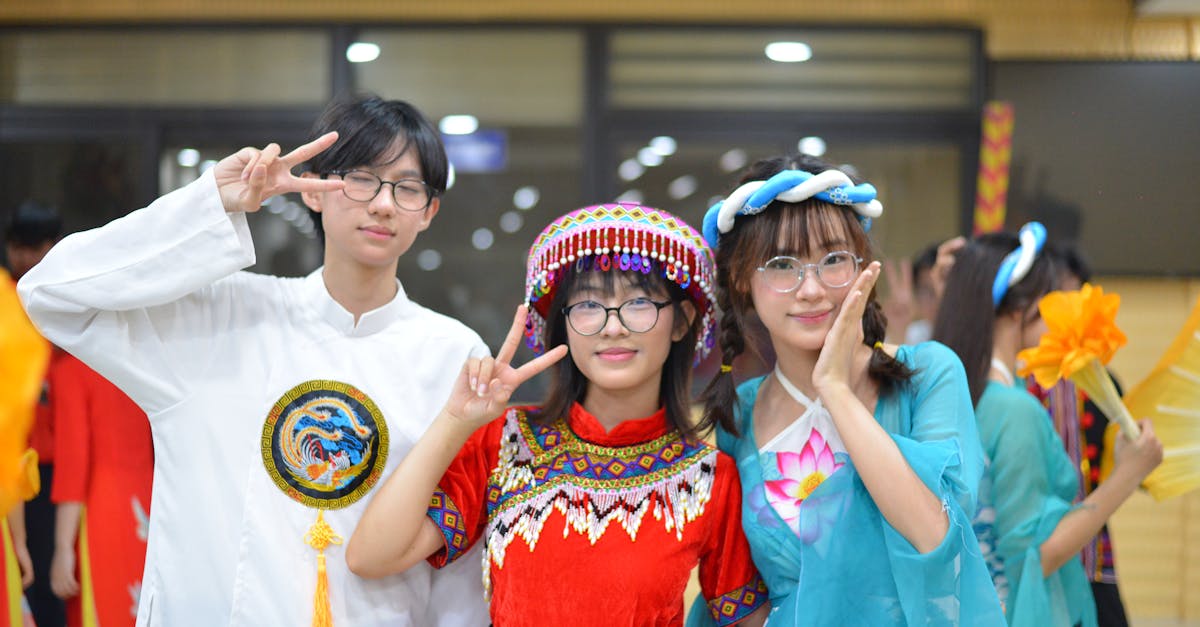
Cultural exchange programs in 2026 have evolved into sophisticated platforms for international understanding and professional development, moving beyond traditional homestay models to incorporate immersive work experiences in local communities. Organizations like AFS Intercultural Programs, CIEE, and Rotary Youth Exchange have redesigned their offerings to include professional internships, entrepreneurship incubators, and social impact projects that address real-world challenges. These programs now feature AI-powered cultural adaptation training that helps students navigate cultural differences more effectively, while virtual reality simulations prepare them for common workplace scenarios in their host countries. The emphasis has shifted toward creating meaningful connections between students and local professionals, with structured mentorship programs that continue long after the exchange period ends. Many programs now offer dual-degree opportunities, allowing students to earn academic credits from both their home and host institutions while gaining practical work experience. The integration of blockchain technology ensures that all cultural competencies and professional skills gained during the exchange are permanently recorded and verified, creating a valuable digital portfolio for future employers. Furthermore, these programs have embraced the concept of "reverse exchange," where international students spend time in participants' home countries, creating ongoing global networks that benefit all involved parties throughout their careers.
3. International Internship Programs - Professional Development on a Global Scale

International internship programs have become increasingly sophisticated in 2026, offering students structured pathways to gain professional experience while developing global competencies essential for modern careers. Leading organizations such as AIESEC, IAESTE, and Global Experiences have partnered with multinational corporations, NGOs, and startups to create comprehensive internship ecosystems that span every major industry. These programs now feature AI-driven matching algorithms that consider not only students' academic backgrounds and career aspirations but also their personality traits, learning styles, and cultural preferences to ensure optimal placements. The internships themselves have been redesigned to include cross-functional exposure, with participants rotating through different departments and working on international projects that provide genuine business impact. Many programs now offer hybrid models that combine in-person work with virtual collaboration across multiple time zones, preparing students for the increasingly distributed nature of modern workplaces. Professional development components include leadership workshops, industry-specific certifications, and access to global alumni networks that provide ongoing career support. The integration of sustainability metrics means that many internships now focus on ESG (Environmental, Social, and Governance) initiatives, allowing students to contribute to meaningful change while building their professional credentials. Additionally, many programs have established partnerships with universities to offer academic credit and thesis opportunities, ensuring that the practical experience complements students' formal education.
4. Teaching English Abroad Programs - Education as Cultural Exchange
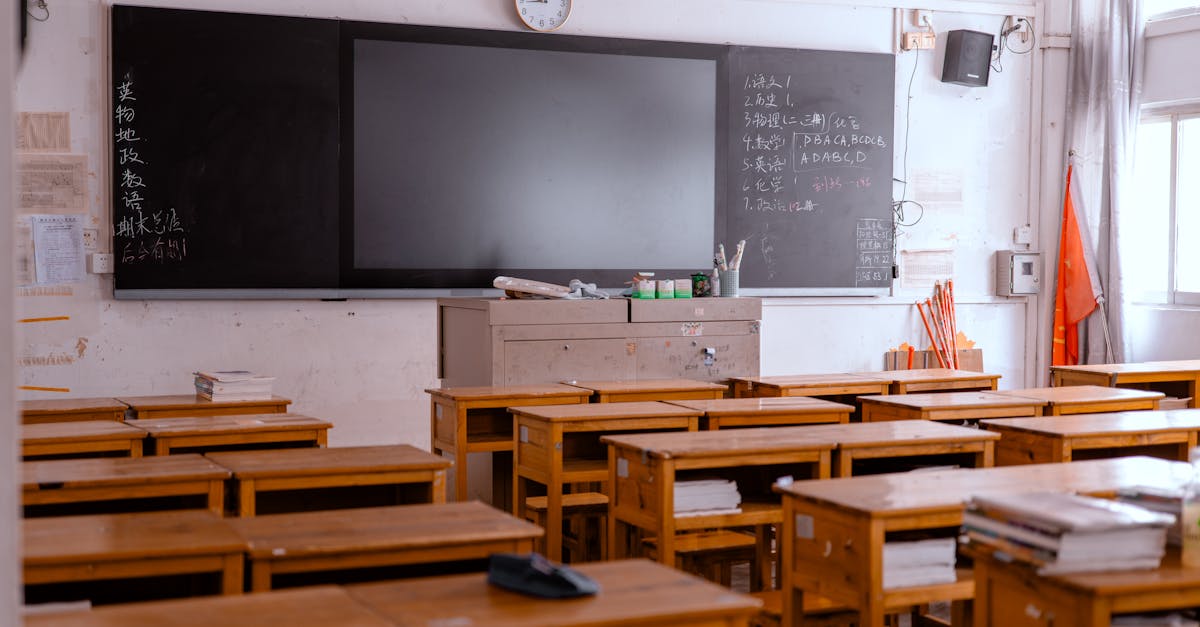
Teaching English abroad programs have undergone significant innovation in 2026, transforming from basic language instruction roles into comprehensive educational leadership opportunities that prepare students for careers in international education and cross-cultural communication. Programs like JET (Japan Exchange and Teaching), Teach for All affiliates, and private organizations such as ILP (International Language Programs) now offer extensive pre-departure training that includes pedagogy, cultural sensitivity, and technology integration. The modern teaching abroad experience incorporates blended learning approaches, with participants using AI-powered language learning platforms, virtual reality classroom simulations, and gamified educational content to enhance their teaching effectiveness. Many programs have expanded beyond traditional classroom settings to include community education initiatives, adult literacy programs, and professional English training for local businesses. The emphasis on professional development means that participants now receive internationally recognized teaching certifications, leadership training, and project management experience that translates directly to career advancement opportunities. Technology integration has also enabled ongoing support and collaboration between teachers across different countries, creating global communities of practice that share resources and best practices. Furthermore, many programs now include entrepreneurship components, encouraging participants to develop innovative educational solutions that can be scaled across multiple communities, fostering sustainable impact that extends far beyond their service period.
5. Volunteer and Service Learning Programs - Making a Meaningful Impact
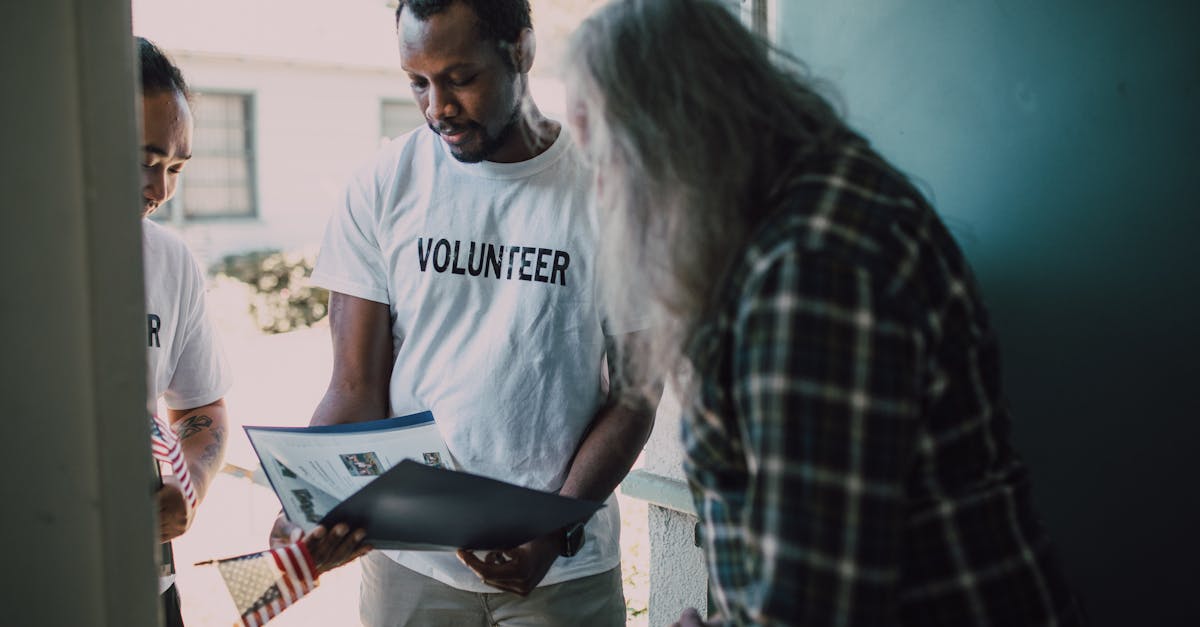
Volunteer and service learning programs in 2026 have evolved into sophisticated platforms for sustainable development and social entrepreneurship, moving away from short-term voluntourism toward long-term, community-driven initiatives that create lasting positive change. Organizations like Peace Corps, Habitat for Humanity Global Village, and Projects Abroad have redesigned their programs to ensure that student participants work alongside local communities as partners rather than temporary helpers. These programs now feature extensive pre-departure training in community development, cultural humility, and sustainable project management, ensuring that volunteers arrive with the skills and mindset necessary to contribute meaningfully. The integration of technology has enabled better project monitoring and evaluation, with participants using mobile apps to track progress, share resources, and collaborate with other volunteers worldwide. Many programs now offer specialized tracks in areas such as renewable energy, digital literacy, healthcare innovation, and sustainable agriculture, allowing students to apply their academic knowledge while gaining practical experience in their chosen fields. The emphasis on reciprocal learning means that participants not only contribute to community projects but also engage in formal reflection and analysis that enhances their understanding of global development challenges. Additionally, many programs have established pathways for participants to continue their involvement through remote support, fundraising, and advocacy, creating ongoing relationships that benefit both volunteers and communities long after the initial service period ends.
6. Study Abroad with Work Components - Academic Excellence Meets Professional Experience
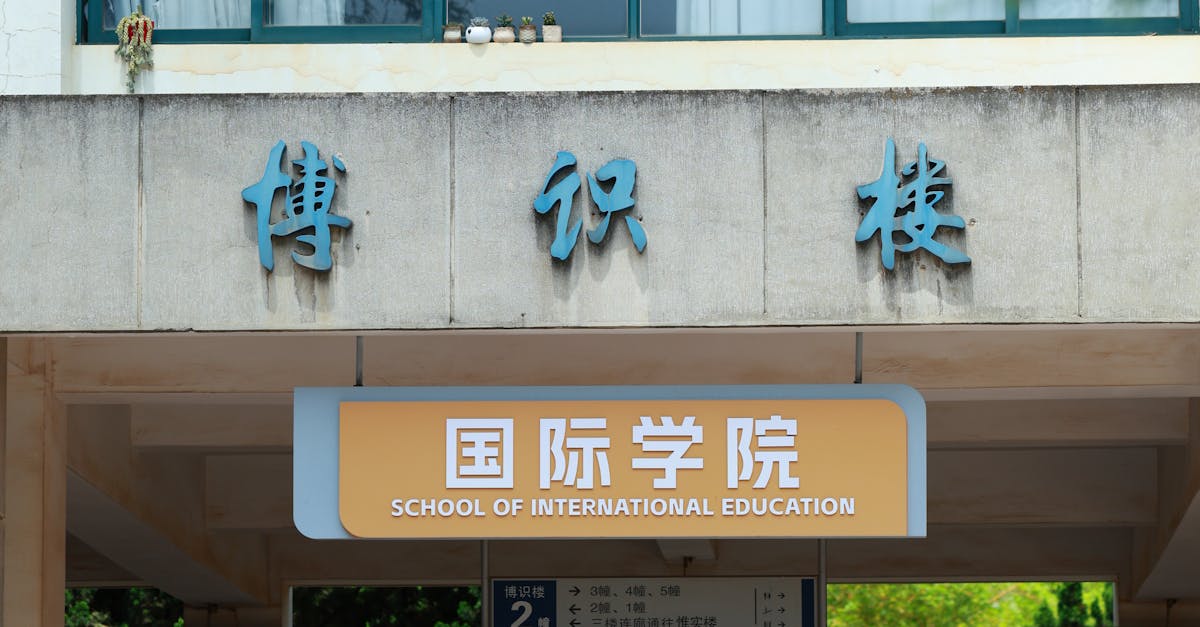
Study abroad programs with integrated work components have become increasingly popular in 2026, offering students the opportunity to earn academic credits while gaining practical professional experience in international settings. Universities worldwide have expanded their offerings to include cooperative education programs, research assistantships, and industry partnerships that provide students with comprehensive global learning experiences. These programs typically combine traditional coursework with internships, part-time employment, or research projects that allow students to apply their academic knowledge in real-world contexts while earning income to support their studies. The integration of technology has enabled seamless credit transfer and academic monitoring, ensuring that students maintain their academic progress while gaining valuable work experience. Many programs now feature industry-specific tracks in areas such as sustainable business, international development, digital marketing, and cross-cultural psychology, allowing students to specialize in fields that align with their career goals. The work components are carefully structured to complement academic learning, with regular reflection sessions, academic supervision, and assessment methods that integrate both theoretical knowledge and practical skills. Furthermore, these programs often include entrepreneurship incubators and startup accelerators that encourage students to develop innovative solutions to global challenges, providing them with both academic credit and potential business opportunities. The emphasis on research and innovation means that many participants contribute to published academic work or patent applications, creating valuable additions to their academic and professional portfolios.
7. Digital Nomad and Remote Work Programs - Embracing the Future of Work

Digital nomad and remote work programs represent one of the most innovative developments in student work and travel opportunities for 2026, reflecting the fundamental shift toward location-independent careers that has accelerated since the global remote work revolution. These programs, offered by organizations like Remote Year, WiFi Tribe, and Hacker Paradise, provide students with the infrastructure, community, and support necessary to work remotely while traveling to multiple destinations throughout their program period. Participants typically work for companies or clients in their home countries while experiencing different cultures and environments, creating a unique blend of professional development and cultural immersion. The programs include co-working spaces, reliable internet connectivity, accommodation arrangements, and structured networking opportunities that help participants build professional relationships across different industries and countries. Many programs now offer specialized tracks for different career paths, including software development, digital marketing, content creation, and online education, with mentorship and skill development opportunities tailored to each field. The integration of virtual reality and augmented reality technologies has enhanced the remote work experience, enabling more immersive collaboration and creative projects that transcend geographical boundaries. Additionally, these programs often include entrepreneurship components, encouraging participants to develop location-independent businesses or freelance careers that can sustain their nomadic lifestyle long-term. The emphasis on sustainable travel and community engagement ensures that digital nomads contribute positively to their host communities while minimizing their environmental impact.
8. Specialized Industry Programs - Tailored Experiences for Career Focus
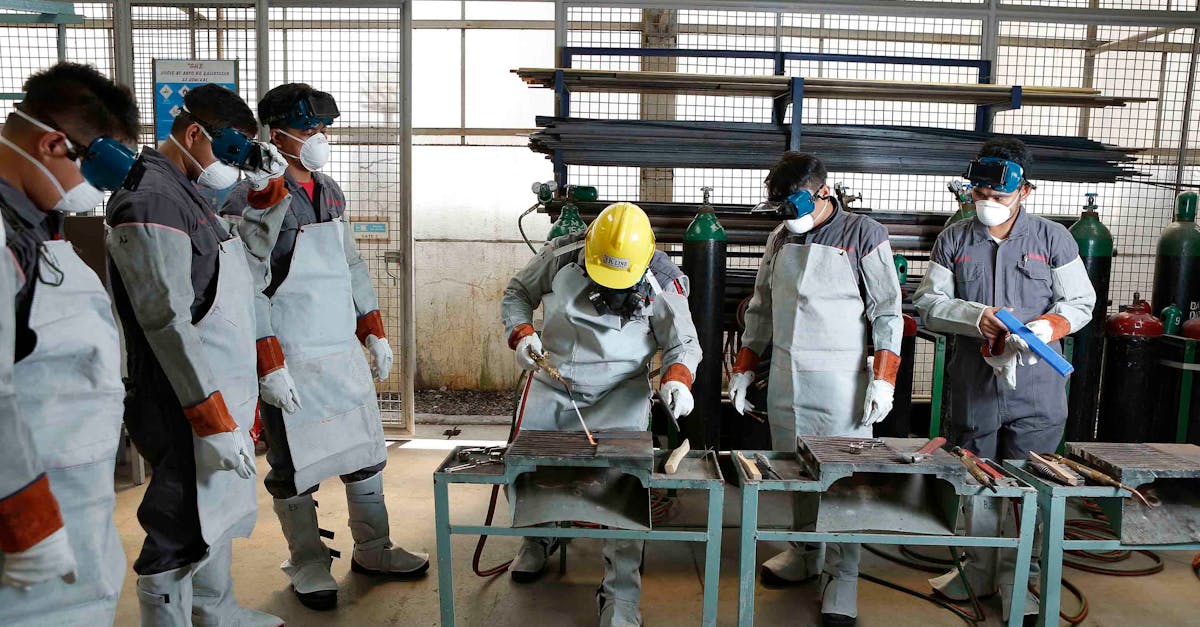
Specialized industry programs have emerged as a dominant trend in 2026, offering students targeted work and travel experiences that align directly with their career aspirations and academic backgrounds. These programs, developed in partnership with industry leaders, provide intensive, hands-on experience in specific sectors such as renewable energy, biotechnology, sustainable agriculture, marine conservation, and space technology. For example, programs in renewable energy might combine work placements at solar farms in Morocco with research opportunities at wind energy facilities in Denmark, providing participants with comprehensive understanding of global sustainable energy solutions. Similarly, marine conservation programs might include research positions at coral reef restoration projects in the Maldives, policy work with environmental organizations in Costa Rica, and technology development with marine robotics companies in Norway. These specialized programs feature industry-specific training, professional certifications, and direct mentorship from leading experts in each field. The integration of cutting-edge technology, including AI, IoT, and blockchain applications, ensures that participants gain experience with the tools and methodologies that will define their industries' futures. Many programs also include entrepreneurship components, encouraging participants to develop innovative solutions to industry challenges and providing support for startup development. The emphasis on sustainability and social responsibility means that these programs often focus on addressing global challenges such as climate change, food security, and social inequality, preparing students to become leaders in creating positive change within their chosen industries.
9. Future Trends and Recommendations - Preparing for Tomorrow's Opportunities

As we look toward the future of student work and travel programs, several key trends are shaping the landscape for 2026 and beyond, offering exciting opportunities for students willing to embrace innovation and global citizenship. The integration of artificial intelligence and machine learning is revolutionizing program matching, cultural preparation, and skill development, while virtual and augmented reality technologies are creating new possibilities for immersive cultural training and remote collaboration. Sustainability has become a central focus, with programs increasingly emphasizing environmental responsibility, community engagement, and long-term positive impact rather than short-term cultural consumption. The rise of blockchain technology is enabling new forms of credential verification and skill documentation that will make international experience more valuable and transferable across different contexts and careers. Students considering these programs should focus on developing digital literacy, cultural intelligence, and adaptability skills that will serve them well in an increasingly connected and rapidly changing world. The most successful participants will be those who approach these experiences with genuine curiosity, cultural humility, and a commitment to reciprocal learning and positive impact. As the global economy continues to evolve toward more distributed, sustainable, and socially conscious models, students who gain international experience through these programs will be uniquely positioned to become leaders in creating positive change. The investment in global experience, cultural competency, and international networks that these programs provide will become increasingly valuable as businesses and organizations seek employees who can navigate complexity, build bridges across cultures, and contribute to sustainable development goals.